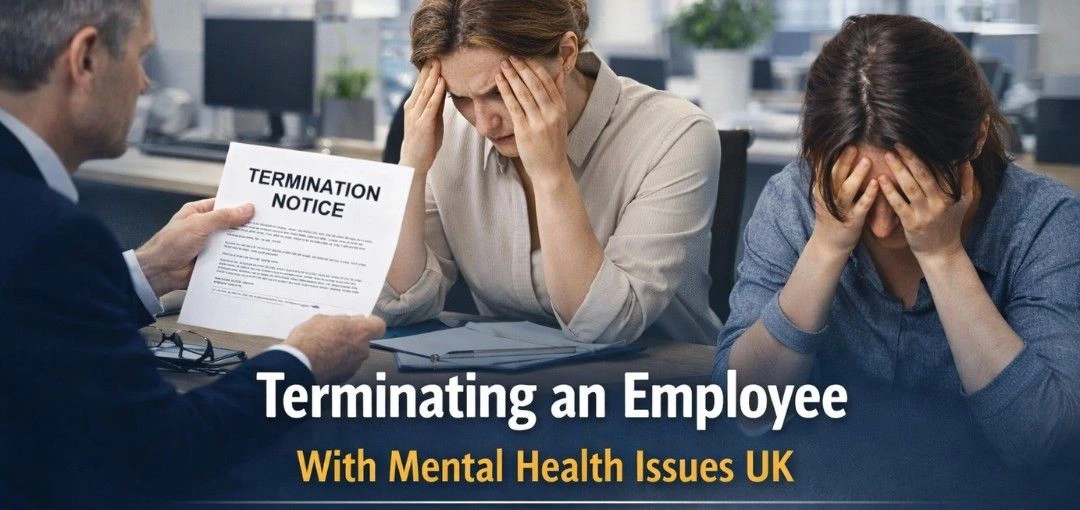
Terminating an employee with mental health issues UK is one of the most sensitive and complex decisions an employer can face. It sits at the intersection of employment law, mental health awareness, and human compassion. Handled poorly, it can lead to serious legal consequences and lasting harm. Handled correctly, it can protect both the organisation and the individual involved.
This guide is written for employers, HR professionals, and decision-makers who want clarity, fairness, and legal confidence. It explains what the law expects, what best practice looks like, and how to approach this situation with care, dignity, and professionalism.
Understanding Mental Health and Employment Law in the UK
In the UK, mental health conditions are not treated lightly under employment law. Many long-term mental health conditions are legally recognised as disabilities under the Equality Act 2010 mental health provisions. This means employees are protected from discrimination and unfair treatment.
Mental health conditions such as anxiety disorders, depression, PTSD, and chronic stress can substantially affect day-to-day activities. When this happens, employers must adjust their approach to management, performance, and absence.
This is where Employers’ Duty of Care becomes central. Employers are legally and morally required to take reasonable steps to protect employee wellbeing, both physical and psychological. Ignoring warning signs, rushing to dismissal, or treating mental health as a “performance issue” can quickly cross legal boundaries.
Your Legal Protections When Terminating Mental Health Absences
Understanding employee rights and employer responsibilities is crucial before taking any dismissal action. This section explains the key protections and fair practices that help employers act lawfully while supporting mental health.
Understanding Employee Rights
Employees experiencing mental health issues have the right to:
- Reasonable adjustments to support their work capacity
- Protection from unfair dismissal mental health UK
- Access to occupational health assessments and guidance
- A fair, documented dismissal or capability process if performance or attendance is genuinely affected
Respecting these rights shows compliance with the law while maintaining a supportive workplace culture.
Reasonable Adjustments and Fair Process
Before considering termination, employers must explore all possible reasonable adjustments for mental health, such as:
- Flexible or reduced working hours
- Adjusted duties or temporary role changes
- Remote or hybrid working arrangements
- Structured return-to-work plans or phased reintroduction
Engaging occupational health professionals ensures that decisions are informed and fair. Clear, respectful communication during assessments is essential to prevent misunderstandings and ensure recommendations are properly considered.
A fair process also involves:
- Holding meetings with empathy and clarity
- Giving the employee a chance to respond
- Documenting discussions and agreed adjustments
- Considering alternative roles or redeployment if possible
Termination should always be a last resort, not the first response.
Avoiding Legal Pitfalls
Even when dismissal is justified, common mistakes can lead to legal challenges:
- Ignoring medical advice or occupational health recommendations
- Failing to provide reasonable adjustments
- Treating mental health issues as misconduct rather than capability concerns
- Rushing dismissal without proper documentation or consultation
Being aware of these pitfalls protects both the employee and the employer, reinforcing a culture where mental health is taken seriously.
Supporting Employees Throughout
Legal protections go hand in hand with moral responsibility. Employers who actively support their workforce reduce risk and build trust. Support strategies include:
- Clear communication of policies and procedures
- Access to counselling and mental health resources
- Participation in Corporate wellness programs UK
- Monitoring progress and adjusting support measures as needed
Embedding support alongside legal compliance ensures that if termination becomes necessary, it is handled with dignity, fairness, and transparency.
Terminating an Employee With Mental Health Issues UK: When Is It Lawful?
Terminating an employee with mental health issues UK is not automatically unlawful, but it must meet strict criteria.
Lawful dismissal may be possible when:
- The employee is unable to perform their role despite support
- All reasonable adjustments have been explored
- Medical evidence supports the decision
- A fair process has been followed
Employers must show they considered reasonable adjustments for mental health, such as:
- Reduced hours or flexible working
- Adjusted duties or workload
- Temporary role changes
- Remote or hybrid arrangements
Failure to explore these options can lead to claims of unfair dismissal from mental health UK, even if the employer believed they were acting reasonably.
The Role of Occupational Health and Medical Evidence
An occupational health referral is often a critical step. A professional occupational health assessment UK can clarify:
- Whether the condition is likely to improve
- What adjustments may help
- Whether the employee is fit to return to work
Communication matters here. Many employers unintentionally cause harm by saying the wrong thing. Understanding What Not to Say to Occupational Health UK helps avoid biased questions, assumptions, or pressure that could later undermine the fairness of the process.
Medical evidence should guide decisions, not assumptions or frustration caused by prolonged absence.
Managing Long-Term Absence and Stress-Related Leave
Stress-related absence is one of the most common triggers for dismissal considerations. Employees may be Signed Off with Stress in the UK for weeks or even months, often leaving employers unsure how long they must wait.
There is no fixed legal limit on sick leave for stress. The maximum time off for stress UK depends on:
- Medical advice
- The employee’s role
- Business impact
- Adjustments already attempted
Dismissal should only be considered after:
- Regular welfare check-ins
- Updated medical reviews
- A clear discussion about capability
Rushing this stage is one of the most common legal mistakes employers make.
Capability vs Disciplinary Dismissal
Mental health cases should almost always be managed through capability, not discipline.
Disciplinary action implies blame or misconduct. Capability recognises that the employee may be willing but unable to perform due to health limitations. Mixing the two can damage trust and weaken the employer’s legal position.
This distinction also supports a fairer, more humane approach—one that aligns with modern mental health awareness and ethical leadership.
Supporting Employees Before Termination Is Considered
Good employers don’t jump straight to dismissal. They demonstrate support through proactive wellbeing strategies, clear communication, and early intervention.
This is where workplace strategies become valuable— personalised, realistic solutions rather than box-ticking exercises.
Support may include:
- Mental health policies
- Line manager training
- Access to counselling or EAPs
- Clear return-to-work plans
Organisations that invest in prevention often reduce legal risk and improve retention. Many UK employers now integrate broader Corporate wellness programs to support mental health before issues escalate.

Ethical Considerations and Reputation Risk
Even when a dismissal is legally defensible, the ethical and reputational impact matters. Employees talk. Reviews are written. Tribunals are public.
A compassionate approach:
- Reduces conflict
- Preserves dignity
- Demonstrates leadership values
How an organisation handles mental health reflects its culture more than any policy document ever could.
Conclusion
Terminating an employee with mental health issues UK is never just a legal decision—it is a human one. Employers who act patiently, lawfully, and compassionately protect not only their business, but also the wellbeing of everyone involved.
By following fair processes, seeking medical guidance, and honouring legal duties, termination becomes a last resort rather than a reaction. Done correctly, it can be respectful, lawful, and aligned with modern workplace values.
Frequently Asked Questions (FAQs)
Q: Can mental health be a valid reason for dismissal in the UK?
A: Yes, but only if the employer follows a fair capability process, explores reasonable adjustments, and relies on medical evidence.
Q: Is stress considered a disability under UK law?
A: Stress itself is not a diagnosis, but underlying conditions such as anxiety or depression may qualify as a disability under the Equality Act.
Q: How long can someone be off work with stress before dismissal?
A: There is no legal maximum. Each case depends on medical advice, adjustments, and business impact.
Q: Do employers have to keep a job open indefinitely?
A: No, but they must show they acted reasonably and fairly before deciding dismissal was necessary.
Q: Should occupational health always be involved?
A: In most mental health-related cases, yes. It strengthens decision-making and legal defensibility.
If you’re navigating complex mental health issues in the workplace, don’t face it alone. Explore supportive frameworks, review your responsibilities carefully, and consider expert-led corporate wellness programmes that protect both people and organisations. A thoughtful approach today can prevent serious problems tomorrow.