Clear workplace health guidance from Spark Your Health for safer, stronger UK businesses.
In today’s working world, protecting employee wellbeing is no longer optional — it is a legal and moral responsibility. Health Surveillance plays a vital role in helping UK employers identify potential work-related health risks early and protect staff before small problems become serious conditions. Whether you run a small business or manage a large workforce, understanding how this process works can help you build a safer, healthier, and more compliant workplace.
In this guide, you’ll gain a clear understanding of how workplace medical monitoring works in the UK, when it is required, and how it supports both employers and employees.
Understanding Health Surveillance in Simple Terms
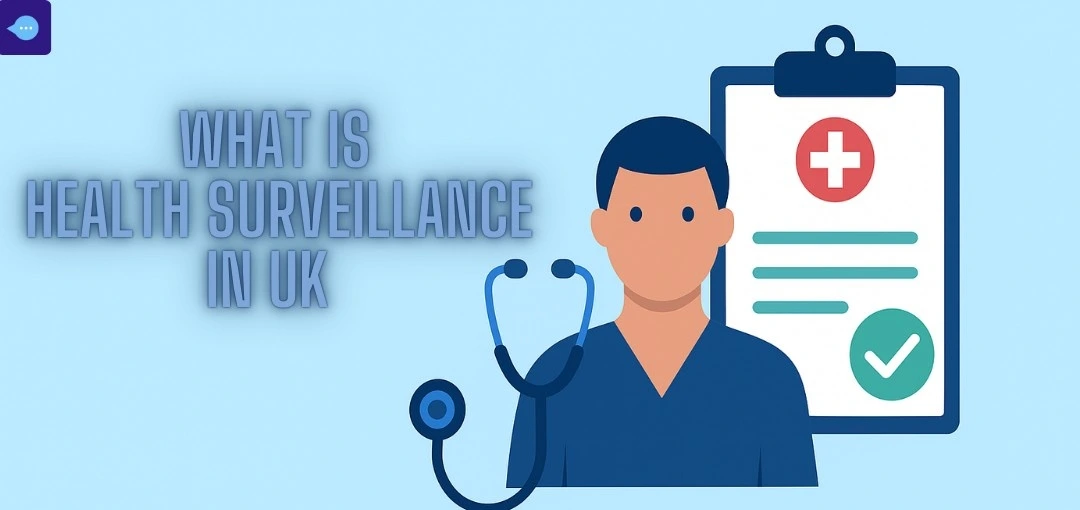
Health Surveillance is a system of ongoing health checks used to monitor employees who are exposed to specific workplace risks. The goal is early detection — identifying early signs of work-related ill health before it becomes long-term damage.
Unlike general medical check-ups, this process focuses on risks linked directly to a person’s role and working environment. These checks may include lung function tests, skin checks, hearing tests, or hand-arm vibration assessments.
This kind of monitoring is guided by UK workplace safety standards and helps organisations meet their legal duty of care while actively protecting employee wellbeing.
Why Is Health Surveillance Important for UK Workplaces?
Workplace health checks protect both people and businesses. For employees, it provides early warning signs of possible harm. For employers, it helps prevent costly sick leave, legal action, and compliance failures.
It also helps prevent serious conditions, including long-term stress-related absence, which many UK employers only truly understand after facing extended employee absence, as discussed in our guide on maximum time off for stress in the UK.
Here is why this process matters so much:
- It helps spot work-related illnesses early
- It reduces long-term health risks
- It protects employers from legal penalties
- It improves employee trust and workplace morale
- It supports a stronger safety culture
A workplace that prioritises employee wellbeing also experiences better productivity and stronger reputations.
When Is It Legally Required in the UK?
Not every job requires formal monitoring, but UK employers must arrange public health assessments when staff are exposed to known health risks.
According to UK health and safety regulations, this becomes a legal duty when employees are regularly exposed to:
- Hazardous substances
- Dust, fumes, or vapours
- Excessive noise levels
- Continuous vibration
- High-risk manual handling
- Chemicals covered under COSHH rules
This legal requirement is closely supported by HSE health surveillance guidance to ensure employers meet proper standards.
If your workplace has conducted a workplace risk assessment and identified potential risks, providing monitoring may be mandatory.
Types of Health Monitoring in the Workplace
Different roles require different checks based on exposure levels. A structured workplace health surveillance system typically includes:
Respiratory Health Monitoring
Staff exposed to dust, fumes or chemicals may need lung function testing. This is sometimes known as respiratory health surveillance and helps detect early breathing issues.
Skin Health Checks
Employees working with irritants or chemicals may need skin examinations to prevent contact dermatitis. These are common skin health checks at work.
Hearing Tests
Those working in loud environments often undergo noise and vibration monitoring at work to identify early hearing damage.
Hand-Arm Vibration Checks
Roles involving vibrating tools may require specialist checks linked to occupational health monitoring.
These checks are a vital part of modern occupational health assessments and are key to preventing work-related ill health.
Who Is Responsible for Workplace Health Checks ?
Legally, the employer holds full responsibility for providing public health monitoring where required.
This responsibility includes:
- Identifying workplace risks
- Arranging professional assessments
- Acting on results
- Keeping accurate health records
This duty is linked to an employers’ duty of care, which exists to protect staff from avoidable harm.
However, employees also play an important role by:
- Attending scheduled checks
- Reporting symptoms early
- Following workplace safety procedures
When both sides work together, prevention becomes far more effective.
How Public Health Assessment Helps Prevent Long-Term Illness
Health Surveillance is not about invasion of privacy — it is about protection.
Through structured medical surveillance in the workplace, employers can:
- Detect problems early
- Adjust job roles if needed
- Improve workplace controls
- Reduce long-term sick leave
- Prevent permanent health damage
This process forms a key part of work-related ill health prevention and strengthens overall organisational wellbeing.
Proactive companies also combine this approach with wider employee health screening strategies to support long-term wellness.
Supporting a Healthier Workplace Culture
Modern businesses are moving beyond basic compliance. The smartest organisations now recognise that staff wellbeing drives success.
This is why many UK companies invest in:
- Better occupational health monitoring systems
- Regular staff wellbeing reviews
- Professional training for managers
- Integrated care strategies
In addition, many forward-thinking employers align medical checks with broader Corporate Wellness Programs UK, helping to create healthier and more engaged teams.
Common Mistakes Employers Should Avoid
Even when workplaces try to do the right thing, mistakes can happen. Common issues include:
- Treating monitoring as a one-off tick box activity
- Ignoring early warning signs
- Failing to store health records securely
- Lack of employee education or communication
Employers should also be careful when interacting with occupational health specialists. Many businesses find it helpful to understand guidance such as What Not to Say to Occupational Health UK to avoid miscommunication and preserve employee trust.
How to Stay Compliant and Professional
To run an effective system, employers should ensure:
- Regular reviews of workplace risks
- Professional occupational health assessments
- Clear internal policies
- Staff education and transparency
A well-structured system ensures compliance with statutory health surveillance UK requirements and strengthens trust within teams.
Benefits for Employers and Employees
A well-managed public health monitoring process benefits everyone:
For Employees:
- Early health issue detection
- Increased sense of safety
- Support for long-term wellbeing
For Employers:
- Strong legal compliance
- Reduced liability risks
- Lower absenteeism
- Stronger brand reputation
When these benefits align, the workplace becomes healthier, safer and more productive.
Final Thoughts
Health Surveillance is not just about legal compliance — it is about protecting people, improving workplace culture, and preventing long-term harm.
When implemented properly, it ensures that employees feel valued, supported, and safe at work. For UK businesses, this is no longer a luxury — it is a professional responsibility.
By understanding your legal duties and investing in employee wellbeing, your workplace can become safer, stronger, and more future-ready.
Frequently Asked Questions (FAQs)
Q.1 What is the main purpose of health surveillance?
To detect early signs of work-related illness and prevent long-term health damage.
Q.2 Are these checks legally required in all UK workplaces?
No, they are only necessary when risk assessments show employees are exposed to specific hazards.
Q.3 How often should employees undergo monitoring?
The frequency depends on the level of exposure and guidance from occupational health professionals.
Q.4 Do employees need to give consent?
Yes, staff should be fully informed and their privacy respected at all times.
Q.5 Are small businesses obligated to provide these checks?
Yes, legal duties apply to any business where employees face potential risks.
Protect your people, strengthen your business — start your journey with Spark Your Health today.