
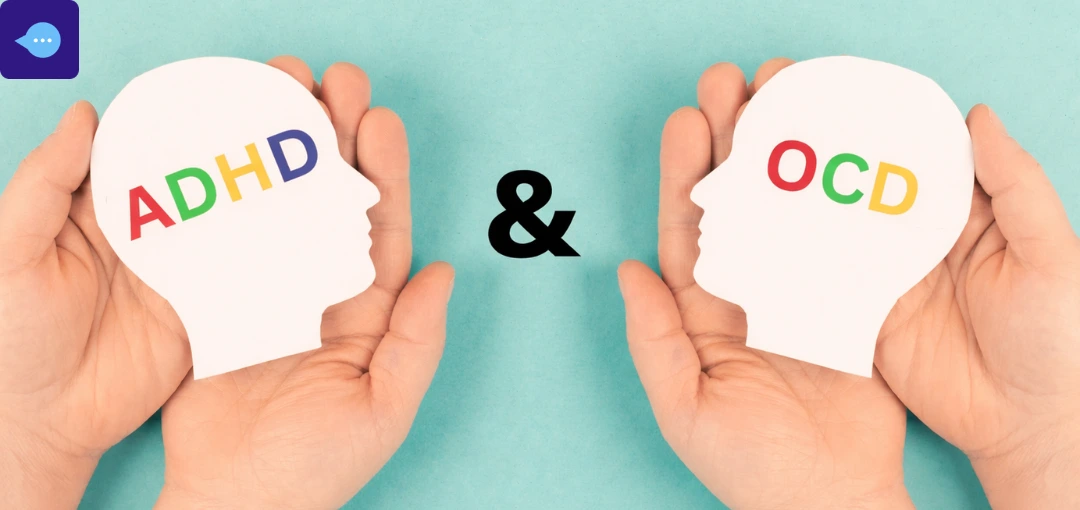
Living with Obsessive-Compulsive Disorder and ADHD can feel like being pulled in two opposite directions at once. One part of the brain demands perfection, order, and certainty. The other struggles with distraction, urgency, and unfinished tasks. In the UK, more adults than ever are seeking clarity about this complex overlap—especially professionals balancing careers, families, and high expectations.
If you recognise yourself or your employees in this struggle, early clarity changes everything. At Spark Your Health, we work closely with individuals and organisations navigating neurodivergent challenges every day. If you’d like confidential guidance suitable to your situation, contact us now for practical next steps.
What Happens When Obsessive-Compulsive Disorder and ADHD Co-Exist?
When Obsessive-Compulsive Disorder and ADHD co-occur, individuals experience a clash between intrusive thoughts and difficulty regulating attention or impulses. The result is mental overload, inconsistent productivity, and emotional exhaustion. Accurate identification and integrated support are essential to reduce symptoms and improve daily functioning.
This is not rare. Research suggests that up to 30% of people diagnosed with OCD show significant ADHD traits, highlighting a frequent neurodivergent co-occurrence rather than two isolated conditions. Yet many adults in the UK remain undiagnosed or misdiagnosed for years.
Understanding the Overlap: Why Symptoms Get Confused
The first barrier to recovery is confusion. ADHD and OCD share surface-level similarities, but the motivations behind behaviours differ.
Inattention vs. Mental Rumination
Someone with ADHD may appear distracted because their attention drifts. Someone with OCD may appear distracted because they are trapped in intrusive thoughts. Both struggle with focus. Both experience internal noise. But the root cause differs.
This is where Executive function deficits play a central role. Both conditions impact brain networks responsible for planning, inhibition, and task completion. Neuroimaging studies show differences in the prefrontal cortex and striatal circuits in both disorders, explaining why starting and finishing tasks can feel disproportionately difficult.
Impulsivity vs. Compulsivity: A Crucial Distinction
The tension between Impulsivity vs. Compulsivity defines the emotional experience of many adults with both conditions. ADHD often presents as spontaneous, disinhibited behaviour—acting before thinking. OCD, in contrast, is driven by rigid rituals and repetitive behaviours designed to reduce anxiety. Imagine an employee who impulsively starts five projects (ADHD), then feels compelled to redo each one repeatedly until “perfect” (OCD). The internal battle is exhausting. Productivity drops. Confidence suffers.
The Hidden Cost: Cognitive and Emotional Strain
Managing both disorders creates a heavy Cognitive Load. Individuals constantly monitor their thoughts while battling distraction. They overanalyse decisions, miss deadlines, then criticise themselves harshly. This mental fatigue increases burnout risk—especially in high-performance UK workplaces.
Focus-Related Anxiety in Modern Work Culture

In a productivity-driven environment, many professionals develop Focus-related anxiety. ADHD makes sustained attention difficult. OCD then fuels obsessive fears about underperforming. “What if I’m failing?” becomes a recurring internal narrative.
According to NHS data, adult ADHD assessments have surged in the past five years. At the same time, workplace stress claims continue to rise across the UK. The intersection of these conditions contributes significantly to presenteeism and lost productivity.
Dual Diagnosis Management: Where ADHD Ends and OCD Begins
One of the most challenging aspects is Dual diagnosis management. Many patients struggle to identify which behaviour belongs to which condition. Is procrastination avoidance driven by distraction? Or is it fear of imperfection?
Clear assessment by experienced clinicians is vital. Treatment must be coordinated. Stimulant medication alone may improve focus but can sometimes intensify obsessive thinking if not monitored. Conversely, therapy targeting OCD without addressing ADHD-related organisation challenges can leave practical struggles unresolved.
An integrated plan combines:
- Structured cognitive behavioural therapy (CBT)
- ADHD-informed coaching
- Medication oversight where appropriate
- Lifestyle interventions
In our experience supporting UK professionals, clarity itself often reduces anxiety. When people understand their brain patterns, shame decreases.
Emotional Regulation Habits: Building Daily Stability
At the core of sustainable progress are Emotional regulation habits. These are daily routines that stabilise mood, reduce overwhelm, and build resilience.
Small habits create “missing mastery.” Examples include:
- A 10-minute morning planning ritual
- Scheduled movement breaks
- End-of-day reflection
- Consistent sleep routines
These practices strengthen executive control networks over time. They do not eliminate symptoms overnight. But they build predictability, which both ADHD and OCD brains crave.
For practical starting points, explore structured Wellbeing Exercises designed specifically for neurodivergent adults.
Coping Strategies for Neurodivergence That Actually Work
Effective coping strategies for neurodivergence must address both attention dysregulation and obsessive thought patterns.
For ADHD:
Movement breaks increase dopamine regulation and improve sustained focus. Short, timed work sprints (such as 25-minute cycles) reduce overwhelm.
For OCD:
Cognitive restructuring helps challenge catastrophic thinking. Exposure and response prevention (ERP) reduces compulsive rituals gradually and safely.
For both combined:
External structure is powerful. Calendar blocking, visible checklists, and reduced decision fatigue simplify complex days.
Digital Behavioral tracking tools can support this process. Carefully designed platforms—such as those offered through Spark Your Health and other evidence-based mental health apps—allow individuals to monitor mood patterns, triggers, and productivity trends. Data replaces guesswork.
Workplace Mental Wellbeing: A Strategic Business Priority
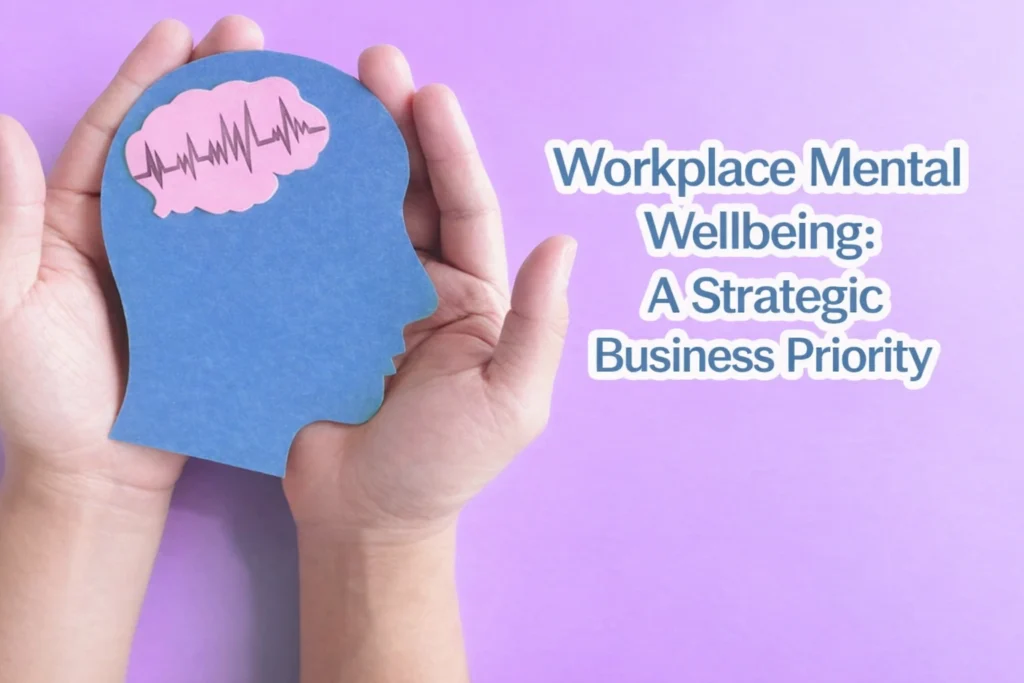
For UK employers, this is not just a clinical issue. It is a leadership responsibility. Supporting Workplace mental wellbeing directly impacts engagement, retention, and output.
Employees with ADHD and OCD often bring exceptional strengths: creativity, analytical depth, persistence, and high ethical standards. When unsupported, these strengths become stress amplifiers. When supported, they drive innovation.
Forward-thinking HR leaders are integrating neurodiversity education into their Corporate Wellbeing Programs. Adjustments such as flexible deadlines, noise-reduced spaces, and structured feedback cycles can dramatically improve performance.
For decision-makers reading this, the return on investment is measurable. Reduced absenteeism. Improved morale. Stronger brand reputation as an inclusive employer.
Financial and Legal Considerations in the UK
Many adults wonder about financial support. If symptoms significantly impair daily functioning, you may ask: Can You Get PIP for ADHD Adults? In some cases, yes—especially where combined conditions impact independence and routine tasks. Professional documentation strengthens applications.
Understanding rights under the Equality Act 2010 is equally important. Neurodivergent employees are entitled to reasonable adjustments in the workplace.
A Practical Framework: Moving From Chaos to Calm
Transformation requires structure. Here is a streamlined progression we recommend:
- Assessment and Clarity – Obtain professional evaluation to confirm co-occurrence.
- Education – Learn how brain patterns influence behaviour.
- Integrated Treatment Plan – Combine therapy, coaching, and lifestyle support.
- Workplace Alignment – Communicate necessary adjustments.
- Tracking and Review – Use measurable tools to monitor improvement.
Each stage builds confidence. Each step reduces internal conflict.
Why Early Intervention Matters in 2026 and Beyond
The UK mental health landscape is shifting. Remote work, digital overload, and economic pressure increase attention fragmentation. Left unmanaged, the intersection of OCD and ADHD magnifies stress.
But early intervention changes long-term outcomes. Studies show that structured behavioural support reduces anxiety severity and improves task completion rates within months.
When individuals feel understood rather than judged, engagement rises. That is why tailored, expert-led guidance matters.
Frequently Asked Questions
Can you have both Obsessive-Compulsive Disorder and ADHD?
Does medication treat both conditions?
How do I know which condition is affecting me more?
Are digital tools helpful?
Take the First Step Toward Calm
Mastering Obsessive-Compulsive Disorder and ADHD is not about forcing your brain to behave differently overnight. It is about understanding how it works—and designing systems that support it.
If you are an individual seeking clarity, or an organisation committed to stronger workplace mental wellbeing, Spark Your Health offers evidence-based guidance tailored to UK needs.
Start by observing your triggers. Try a daily reset guide. Monitor your patterns. Then take the next step with expert support.
Contact us today at info@sparkyourhealth.co.uk and move from chaos to calm with confidence, clarity, and sustainable strategy.