
Your pension plan alone is no longer enough. Discover the modern, customisable benefits that the UK’s most admired employers are offering and why proactive health is where the smartest HR budgets are going.
Quick Answer: What Are the Best Employee Benefits in the UK?
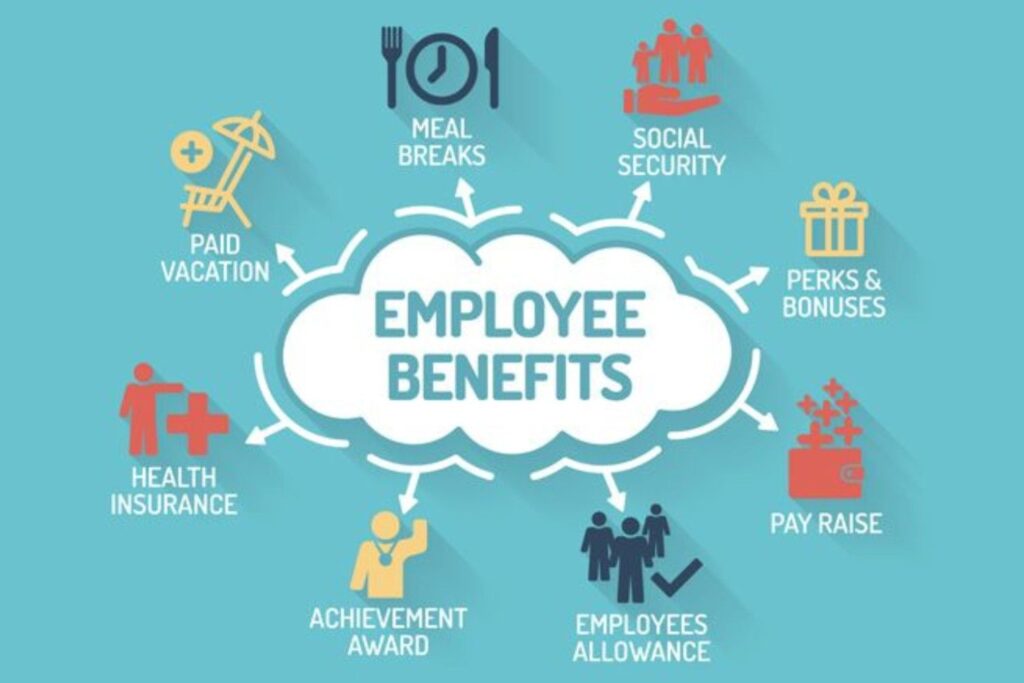
The best employee benefits UK employers offer go well beyond statutory perks. They combine foundational must-haves — workplace pension schemes, Private Medical Insurance, and Statutory Sick Pay — with modern, people-first additions like preventative mental health support, flexible benefits platforms, and customisable employee health benefits UK decision-makers can tailor to individual needs. Together, these form a compelling Employee Value Proposition that attracts talent and reduces costly turnover.
Ready to build yours?
Ask any HR director what keeps them up at night in 2025, and the answer is nearly always the same: retaining the right people. Talent acquisition UK-wide has never been more competitive. The job market is savvier than ever, and candidates are no longer just comparing salaries — they are reading your benefits page before they even send a CV.
The research is unambiguous. A 2024 CIPD survey found that 76% of UK employees consider a benefits package a key factor when deciding whether to stay in their current role. And yet, the majority of UK businesses are still offering a pension and a private healthcare plan and calling it a day.
The companies genuinely winning the talent war understand something crucial: the best employee benefits UK employers can offer are the ones that treat people as whole human beings, not just workers to be retained by a payslip. This guide breaks down exactly what that looks like, and how you can build a package that makes your organisation genuinely stand out.
76%
of UK staff weigh benefits when deciding to stay
£30K
average cost of replacing a mid-level UK employee
3x
more productive — employees with strong wellbeing support
57%
of UK workers report burnout at least once per quarter
First, the Foundations: What UK Employees Legally Expect
Before we explore what separates an exceptional package from an ordinary one, it is worth anchoring ourselves in the legal baselines. Every UK employer must provide a workplace pension scheme (with auto-enrolment contributions), Statutory Sick Pay, and basic holiday entitlement. These are non-negotiable and they are table stakes, not differentiators.
Many companies supplement this foundation with life assurance for employees, typically covering 3–4 times a staff member’s annual salary and access to a cycle to work scheme, which helps both sustainability goals and financial wellbeing. These additions are affordable, tax-efficient, and broadly appreciated. But on their own, they are not enough to build a compelling employer brand in a competitive market.
A strong employee wellness program starts here, then builds upward. Think of the legal baseline as the foundation of a house. Impressive architecture happens on the floors above it.
The 7 Best Employee Benefits UK Companies Are Prioritising
Foundation
1. Private Medical Insurance (PMI)
Private Medical Insurance remains one of the most valued perks on offer. NHS waiting lists have made fast-access, quality healthcare a genuine priority for UK workers. PMI covers consultations, diagnostics, and treatment without the wait — reducing absenteeism and giving employees real peace of mind. According to the Association of British Insurers, PMI uptake through employers has risen 18% since 2022. For employers, the productivity gains from fewer sick days quickly offset the premium costs.
Legal & Compliance
2. Enhanced Pension Contributions
Auto-enrolment sets the minimum bar. The best employers go significantly further — matching contributions of 6–10% or offering tiered schemes tied to tenure. This is one of the most powerful staff retention strategies available, particularly for employees in their 30s and 40s who are increasingly pension-aware. Enhanced contributions speak directly to financial security, which is the number one stressor for UK adults.
Modern & Flexible
3. Flexible Benefits Platforms
One-size-fits-all benefits are quickly becoming obsolete. Flexible benefits platforms allow employees to personalise their package — choosing from a menu of perks including dental cover, critical illness insurance, gym memberships, travel insurance, and beyond. This approach directly supports salary sacrifice schemes, making benefits more tax-efficient for both employer and employee. Crucially, flexibility signals respect: you trust your people to know what they need.
Remote Work Support
4. Remote Work Stipends and Hybrid Support
The shift to hybrid working is permanent. Top employers acknowledge this by offering remote work stipends — monthly allowances employees can use for home office equipment, broadband upgrades, or ergonomic furniture. This is a highly visible, low-cost benefit with a disproportionate impact on daily satisfaction. Employees who feel physically supported in their home environment are measurably more focused and less fatigued.
Is your current benefits package truly competitive?
Our corporate wellness specialists help UK businesses build packages that reduce turnover and attract top talent. Let’s talk — no obligation.
Get a Free Consultation
⬇
Mental Health
5. Employee Assistance Programs (EAP) and Mental Health Days
Employee Assistance Programs have evolved from an HR checkbox into a strategic investment. A modern EAP offers employees confidential counselling, financial guidance, legal support, and crisis intervention — available 24/7. Alongside this, progressive companies are now formally offering mental health days: dedicated leave for psychological recovery, no doctor’s note required. This approach reflects a shift from reactive sick leave to proactive mental health support. For employees managing the daily pressures of a fast-paced environment, managing stress and anxiety at work is not a soft topic — it is a performance issue that directly affects your bottom line.
Neurodiversity
6. Neurodiversity Workplace Adjustments
An increasingly important and often overlooked area of modern benefits: formal neurodiversity workplace adjustments. These include specialist software, quiet workspaces, adjusted communication protocols, and coaching support for employees with dyslexia, ADHD, autism, or sensory processing differences. Organisations that invest here do not just fulfil a legal duty of care — they unlock a significant pool of talent that is often underserved and fiercely loyal when supported properly. This is a genuine differentiator in employer branding benefits.
The Smart Edge
7. Digital Wellbeing Tools and Mental Health Apps
This is where forward-thinking employers are pulling ahead. Modern companies are moving beyond gym discounts and offering digital tools that employees can access privately, on demand, and in the moments they need it most. Mental health apps for professionals — like the My Spark App — give employees self-guided tools for resilience, sleep, mindfulness, and emotional regulation. They complement your EAP without replacing it. The key advantage: they normalise help-seeking before a problem becomes a crisis, which is the essence of holistic wellbeing packages.
The Spark Your Health Advantage
Why Proactive Health Is the Most Valuable Benefit You’re Not Yet Offering
Here is the uncomfortable truth about most corporate benefit packages: they are almost entirely reactive. Sick pay kicks in when someone is already unwell. EAP counselling begins after the crisis has arrived. PMI covers treatment after a diagnosis. All of these are valuable — but they do nothing to stop burnout before it starts.
The smartest HR teams in the UK are now investing in proactive health monitoring — tools and programmes designed to catch declining wellbeing signals early, before they become absences, resignations, or mental health crises. A great benefits package is only one part of a wider culture of care. You can explore comprehensive employee wellness resources that take a more holistic, prevention-first approach.
This is precisely what the Spark Your Health platform is built around. Through personalised wellness journeys, digital coaching, and clinically grounded workplace wellness initiatives, we help employees build the emotional and physical resilience to thrive — not just survive. And for employers, the return is measurable: fewer sick days, higher engagement scores, and a clearly differentiated employer brand.
Our customisable employee health benefits UK solution allows you to tailor every element of your package — whether you are a 50-person SME or a 5,000-employee enterprise. Because the best benefits are the ones your people actually use.
Explore Our Corporate Solution →
How to Build a Benefits Package That Actually Converts Candidates
Understanding the best individual benefits is one thing. Building a coherent, compelling package that strengthens your Employee Value Proposition is another. Here is how to approach it strategically.
Start With Your People Data
Survey your existing workforce before designing or redesigning a benefits package. What do your employees actually value? What do they not use? Anecdotal assumptions about what people want are almost always wrong. Demographic data matters enormously here — a workforce skewed toward young parents has very different priorities to a predominantly Gen Z team.
Tier Your Offering
The most effective packages are layered. Lead with the legal baseline (pension, sick pay), then add universally valued perks (PMI, EAP, life assurance), and finally personalise with a flexible benefits platform that lets individuals choose what matters to them. This structure controls costs while maximising perceived value.
Communicate It Relentlessly
Reducing employee turnover is not just about offering great benefits — it is about making sure people know what they have. A common finding in HR research is that employees dramatically underestimate the monetary value of their benefits package. Regular, clear communication about what is available — and how to use it — directly improves satisfaction scores without adding a penny to your budget.
Measure What Matters
Track absenteeism rates, engagement survey results, and retention figures before and after any benefits change. This gives you the evidence needed to justify investment in more sophisticated tools — like digital wellbeing platforms — and builds the business case for a truly modern, holistic wellbeing package. The link between strong benefits and workplace productivity tools is well-documented; now you can prove it with your own data.
Frequently Asked Questions
What are the most valued employee benefits in the UK?
According to CIPD and Reward Gateway research, the most valued benefits in the UK right now are Private Medical Insurance, enhanced pension contributions, flexible working arrangements, mental health support (including EAP access), and financial wellbeing tools. However, the benefits employees value most vary by age, life stage, and role — which is why flexible benefits platforms that allow personalisation consistently outperform fixed packages.
How much should UK employers spend on employee benefits?
UK benchmarking data suggests that mid-market employers typically spend between 15%–30% of an employee’s base salary on total benefits. For SMEs, a more focused package of core health, pension, and EAP support can be delivered cost-effectively. The key is not the total spend — it is the perceived value employees place on what they receive. Customisable health packages consistently deliver higher perceived value per pound spent than rigid, one-size-fits-all alternatives.
Are employee benefits subject to tax in the UK?
It depends on the benefit. Some perks — such as those delivered via salary sacrifice schemes (pensions, cycle to work, childcare vouchers) — are tax-efficient for both employer and employee. Others, such as private medical insurance, are treated as a benefit-in-kind and are taxable. An independent benefits adviser or your payroll provider can help you structure your package for maximum tax efficiency within HMRC guidelines.
What is the difference between an EAP and a mental health app?
An Employee Assistance Program (EAP) is typically a structured, provider-delivered service offering clinical counselling, crisis support, and legal or financial helplines. A mental health app — such as the Spark Your Health platform — is a digital self-help and coaching tool employees access on their own terms, at any time. The two are complementary: EAPs handle acute, high-need situations; apps support ongoing resilience and day-to-day wellbeing. The most effective packages include both.
What does “customisable employee health benefits” actually mean?
Customisable employee health benefits UK employers are offering typically involve flexible platforms where employees choose from a curated menu of perks — dental cover, critical illness, gym memberships, mental health apps, physiotherapy, and more — within a set budget or flex credit allocation. This approach empowers employees, reduces waste on unused benefits, and ensures the package genuinely reflects individual needs rather than assumed averages.
How do employee benefits reduce staff turnover?
Benefits reduce turnover through two mechanisms: financial lock-in (enhanced pensions, life assurance) and emotional connection (wellbeing support, flexibility, recognition). Employees who feel genuinely cared for are far less likely to respond to a recruiter’s message. CIPD data consistently shows that organisations with strong benefits programmes see turnover rates 30–40% lower than sector peers. At a replacement cost of up to £30,000 per mid-level employee, that is a compelling return on investment.
Ready to Build a Benefits Package Your People Will Actually Love?
Join the UK employers using Spark Your Health to move from reactive healthcare to proactive, customisable wellbeing — and see the difference it makes to retention, productivity, and culture.
Book a 15-mint Free Demo→Explore Our Wellness Platform
Prefer to talk? Call us on 0843 289 3468 or email info@sparkyourhealth.co.uk