
“Spark Your Health – Empowering Your Mind, Body & Wellbeing.”
Living with anxiety around other people can feel exhausting and isolating. For many individuals, social anxiety symptoms show up quietly—through constant worry, physical discomfort, or an urge to avoid everyday interactions. These feelings often go unnoticed or misunderstood, even by those experiencing them.
This guide is written to help you make sense of what social anxiety really is, how it affects your mind and body, and why support matters. Whether you are questioning your own experiences or trying to understand someone close to you, this article offers clear, compassionate, and practical insight tailored to a UK audience.
Understanding Social Anxiety Symptoms as a Mental Health Condition
Social anxiety is not simply shyness or a lack of confidence. It is a recognised mental health condition involving a deep fear of being negatively evaluated by others. Social anxiety symptoms often include an overwhelming fear in social situations, especially those involving attention, judgement, or performance.
This fear can feel automatic and uncontrollable. You may know logically that others are not scrutinising you, yet your body and thoughts react as if you are under threat. Over time, these social anxiety symptoms can affect self-esteem, decision-making, and overall wellbeing.
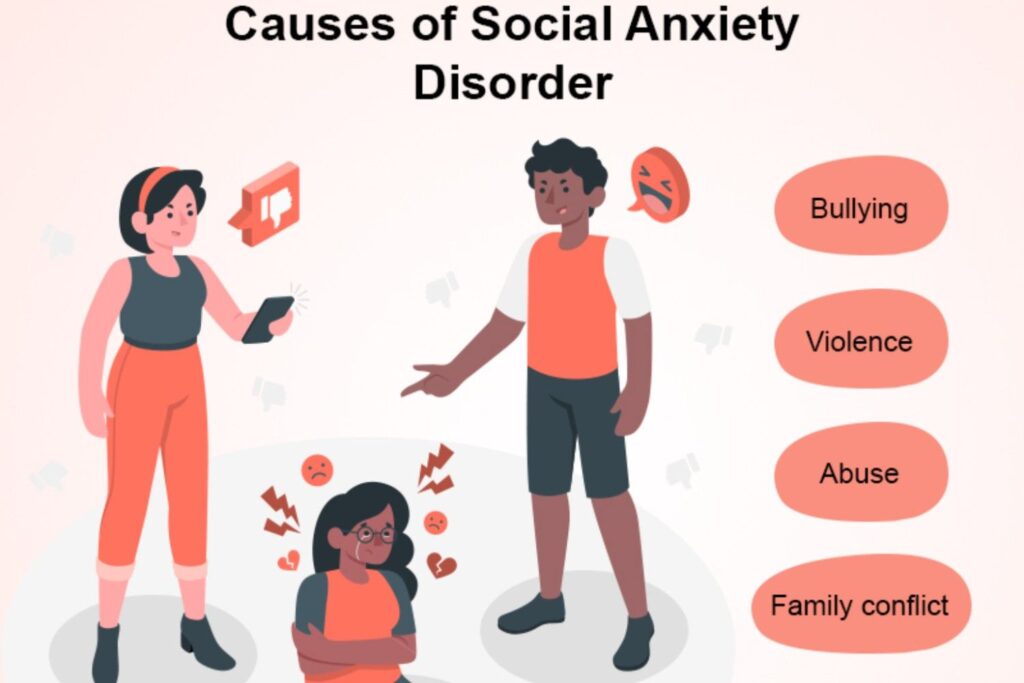
In the UK, social anxiety affects people across all age groups. Social anxiety symptoms may develop gradually or follow stressful life events, bullying, or prolonged pressure at work or school.
Common Social Anxiety Symptoms in the UK
1. Emotional and Thought-Based Symptoms
Social anxiety often begins in the mind. Many people experience recurring thoughts and emotional reactions that feel difficult to control, especially before or after social interactions.
- Persistent worry before social events
- Replaying conversations repeatedly afterwards
- A strong sense of feeling judged, even without evidence
- Constant self-criticism or fear of embarrassment
Over time, these thought patterns can become intrusive and draining, making even simple interactions feel mentally exhausting.
2. Physical Symptoms of Anxiety
The body often reacts strongly to social anxiety. Common physical symptoms of anxiety include:
- A racing or pounding heart
- Sweating, shaking, or trembling
- Stomach discomfort or nausea
- Muscle tension or headaches
In more intense moments, some people experience clear panic attack signs, such as dizziness, chest tightness, or shortness of breath. While frightening, these sensations are a stress response rather than a sign of danger.
3. Behavioural Patterns
To cope with anxiety, many people change how they behave in social situations, often without realising it.
- Cancelling plans or avoiding social events
- Staying quiet in groups, even when wanting to speak
- Avoiding eye contact or drawing attention
While these behaviours bring short-term relief, they often reinforce anxiety over time.
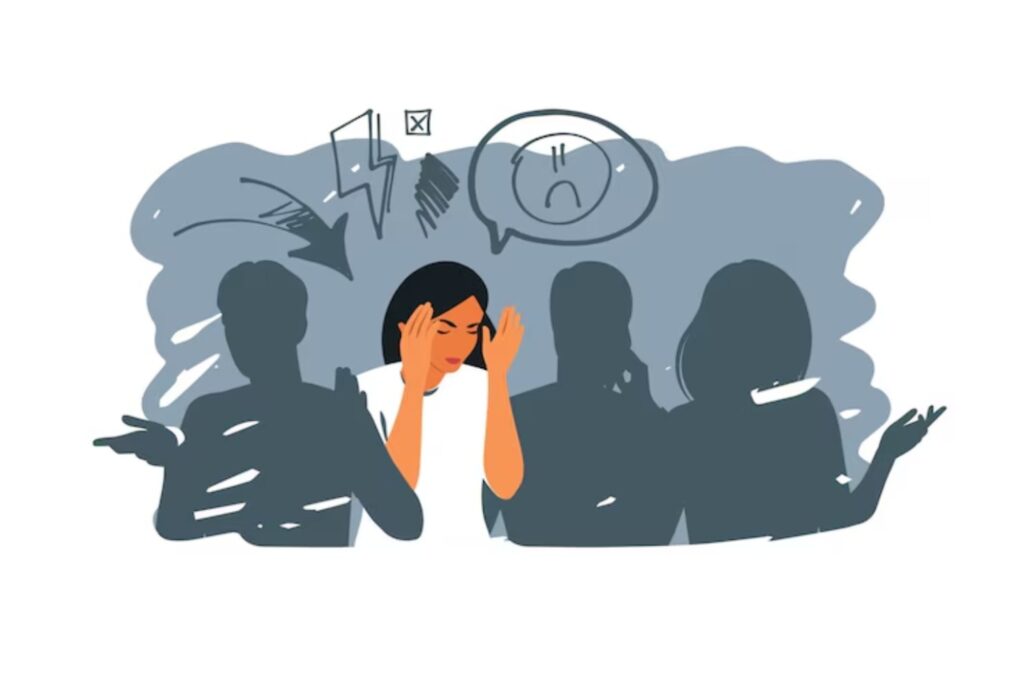
How Social Anxiety Affects Work, Relationships, and Wellbeing
Social anxiety can influence nearly every area of life, not just social gatherings. It often affects how a person performs at work, connects with others, and maintains emotional wellbeing.
Over time, ongoing anxiety can increase stress levels, affect sleep and concentration, and reduce overall quality of life. This is why recognising and managing social anxiety early matters.
While the experience differs from person to person, social anxiety tends to show up more strongly in certain situations, which we explore below.
Navigating Specific Situations
While social anxiety shares common features, it often shows up differently depending on the situation. Understanding these patterns can help you recognise your triggers and feel less alone.
Social Anxiety in the Workplace
In professional settings, social anxiety often centres around fear of judgement or making mistakes. It commonly shows up in situations such as:
- Speaking in meetings or team discussions
- Giving presentations or updates
- Making phone calls or video calls
- Worrying about how colleagues perceive you
- Staying silent despite having valuable ideas
Supportive environments, including those encouraged through Corporate wellbeing programs UK, can help reduce stigma and make it easier to talk openly about mental health at work.
Social Anxiety in Social Settings
Social gatherings, parties, or public events can be especially challenging. You may worry about small talk, being the centre of attention, or not knowing where to fit in. This can lead to avoiding events altogether or leaving early, reinforcing feelings of isolation.
Social Anxiety in Relationships
Social anxiety can affect both new and existing relationships. Some people struggle with expressing feelings, setting boundaries, or trusting that others genuinely accept them. This can create distance, even when there is a desire for connection.
Social Anxiety vs Shyness: Understanding the Difference
Shyness is a personality trait that may involve mild discomfort in social situations, especially new ones. Social anxiety, however, is more intense and persistent. It often causes significant distress and interferes with daily functioning.
Unlike shyness, social anxiety involves ongoing fear, avoidance, and physical symptoms. Understanding this difference can reduce self-blame and help people seek appropriate support.
Mild vs Severe Social Anxiety
Social anxiety exists on a spectrum. Mild forms may involve nervousness in specific situations, while severe social anxiety can affect nearly all social interactions.
People with milder symptoms may still engage socially but feel significant internal distress. Those with more severe symptoms may avoid work, education, or relationships altogether. Recognising where you fall on this spectrum can help determine when to seek social anxiety disorder help.
Social Anxiety in Different Life Stages
In Teenagers
In teenagers, social anxiety often emerges alongside increased self-awareness and social pressure. Fear of embarrassment, peer judgement, or rejection can affect school participation, friendships, and confidence during formative years.
In Adults
Adults with social anxiety may face challenges at work, in parenting, or within long-term relationships. Responsibilities often increase, while opportunities to practise social skills decrease, making anxiety feel more entrenched.
At any age, support and understanding can lead to meaningful improvement.
When to Seek Social Anxiety Disorder Help
If anxiety regularly interferes with your daily life, it may be time to seek social anxiety disorder help. Professional support is especially important if symptoms are persistent, worsening, or leading to isolation or low mood.
NHS and UK-Based Support Options
In the UK, NHS mental health services provide access to assessment and evidence-based treatments. You can usually self-refer to local talking therapy services without seeing a GP first.
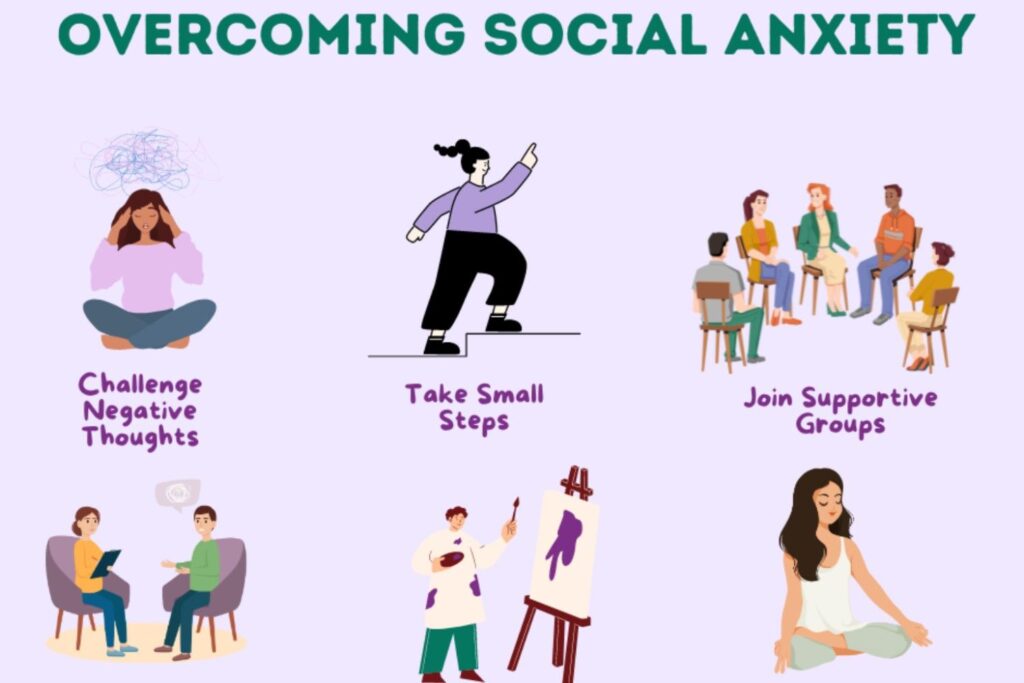
One of the most effective treatments is therapy for social phobia, particularly Cognitive Behavioural Therapy. CBT UK programmes focus on identifying unhelpful thought patterns and gradually building confidence in social situations.
Support may also include guided self-help, group therapy, or digital tools, depending on your needs and preferences.
Practical Self-Help Strategies You Can Try Today
Professional care is valuable, but there are also self-help strategies that many people find useful alongside therapy:
- Practising slow, steady breathing during anxious moments
- Challenging negative assumptions with balanced thoughts
- Starting with small, manageable social exposures
- Focusing on self-compassion rather than perfection
Maintaining overall wellbeing matters too. Approaches linked to Healthy Body Healthy Mind principles such as regular movement, sleep routines, and balanced nutrition can support emotional resilience.
Some people also explore digital tools, including the best mental health apps, to track moods or practise relaxation. Others benefit from structured workplace support, such as Corporate wellbeing programs, which encourage open conversations around mental health.
Platforms like My Spark App can also help individuals access guided resources in a supportive, private way.
Conclusion: You Are Not Alone
Living with anxiety around others can feel overwhelming, but it is treatable. By understanding social anxiety symptoms in the UK, recognising how they affect your life, and accessing the right support, meaningful change is possible. With compassion, evidence-based care, and practical tools, many people learn to feel safer, calmer, and more confident in social situations.
This article is intended for informational purposes only and should not be considered a substitute for professional medical advice, diagnosis, or treatment. Always consult a qualified mental health professional for personalised guidance.
Frequently Asked Questions
Q: What are the most common social anxiety symptoms?
A: Persistent fear of judgement, physical anxiety symptoms, avoidance of social situations, and intense self-criticism are common signs.
Q: Can social anxiety develop later in life?
A: Yes. Stress, trauma, or major life changes can trigger social anxiety in adulthood.
Q: Is social anxiety treatable without medication?
A: Many people improve through therapy, self-help strategies, and lifestyle changes alone.
Q: How long does treatment usually take?
A: Progress varies, but many people notice improvement within weeks of structured therapy.
Q: Can I refer myself for help in the UK?
A: Yes. Most NHS talking therapy services allow self-referral without seeing a GP.