
At Spark Your Health, we see the same pattern every day. People want to feel better. They want more energy. More focus. Better sleep. Less stress. But they often believe wellbeing requires hours in the gym or expensive retreats.
It does not.
The most effective wellbeing exercises are simple, structured, and sustainable. When done consistently, they create a powerful shift in both mental clarity and physical vitality. Science now confirms what holistic health has always suggested: movement and mindful habits directly influence serotonin production, cortisol reduction, and emotional balance.
This guide gives you a complete, evidence-informed framework tailored for UK lifestyles. Whether you work in London, manage a home in Manchester, or juggle shifts in Birmingham, these strategies are practical and realistic.
Let’s begin with why wellbeing exercises matter more in 2026 than ever before.
Why Wellbeing Exercises Are Essential for Modern UK Life
Modern life is fast. Screens dominate our time. Work often follows us home. Chronic stress has quietly become normal.
But the body keeps score.
When stress builds, cortisol rises. Sleep declines. Muscle tension increases. Focus drops. Over time, this leads to burnout, anxiety, and physical discomfort.
The solution is not extreme change. It is daily, intentional regulation.
Holistic wellbeing activities work because they target the mind-body connection techniques that regulate the nervous system. When you move your body, practise deep breathing techniques, or engage in journaling for stress, you activate parasympathetic recovery. This lowers inflammation and improves cognitive clarity.
The goal is not perfection. The goal is consistency.
Physical Wellbeing Exercises That Support Energy and Stress Reduction
Physical self-care practices form the foundation of any effective daily wellness routine. Movement improves circulation, supports muscle-strengthening, and enhances mood through endorphin release.
Let’s look at practical approaches that work in real UK settings.
Low-Impact Aerobic Activity for Sustainable Energy
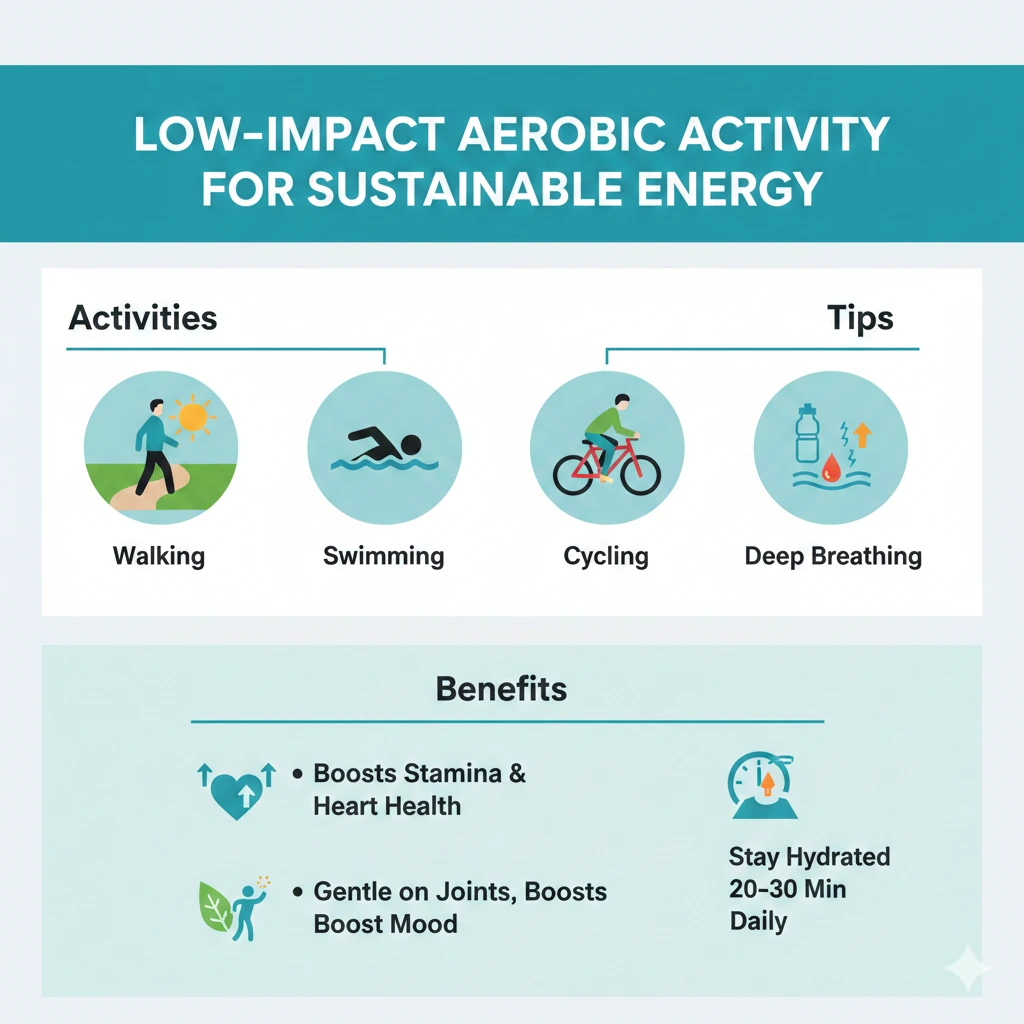
You do not need intense workouts to feel the benefit. In fact, low-impact aerobic activity is often more sustainable.
Brisk walking during your lunch break. Cycling to the shops. Swimming at your local leisure centre. These activities:
- Improve cardiovascular health
- Support cortisol reduction
- Boost serotonin naturally
For office workers, short movement breaks matter. Incorporating workplace fitness strategies such as walking meetings or structured stretch intervals can prevent stiffness and mental fatigue without disrupting productivity.
Consistency beats intensity.
Muscle-Strengthening and Flexibility Stretches
Muscle-strengthening exercises protect long-term mobility. As we age, muscle mass naturally declines. Resistance bands, bodyweight squats, or light weights at home counteract that loss.
Pair strength work with flexibility stretches. Simple yoga flows in the morning loosen tight hips and shoulders, especially for desk-based roles.
If you are unsure where to begin, start with:
- 10 bodyweight squats
- 30-second plank
- Gentle spinal twist
- Hamstring stretch
Three times per week is enough to see progress.
Physical Signs of Stress and How to Counter Them
Stress shows up physically before we recognise it emotionally. Tight shoulders. Jaw clenching. Headaches. Digestive discomfort.
If you notice these symptoms regularly, it is worth understanding the physical signs of stress and how to counter them. Our in-depth Stress Signs Blog explores this further and offers structured recovery techniques.
Countermeasures include grounding exercises, gentle stretching, and short breathing resets. Address the body early, and emotional overwhelm reduces naturally.
Mental and Mindfulness Exercises for Cognitive Clarity
Mental health maintenance exercises are equally important. The brain thrives on intentional regulation.
Best Exercises to Improve Mental Wellbeing at Home
You do not need silence in the countryside to practise mindfulness. You can improve mental wellbeing at home using structured techniques.
Guided meditation is one of the most researched approaches for anxiety reduction. Even five minutes daily improves focus and emotional resilience.
If you are new to meditation, start with structured support. Our guide on how to Unlock a Happier Mind with Head explains practical entry points and realistic expectations.
Another effective method is the mindfulness body scan. This practice brings awareness to physical sensations without judgement. It increases grounding and reduces rumination.
Journaling for Stress and Emotional Resilience
Writing creates psychological distance from stress.
Structured journaling for stress helps organise thoughts and reduce mental clutter. Our dedicated resource on Journaling for Stress and Anxiety explains how to transform anxious thinking into reflective insight.
A simple framework works well:
- What am I feeling?
- What triggered it?
- What is within my control today?
Over time, journaling builds emotional resilience and cognitive clarity.
Simple Breathing Exercises for Immediate Stress Relief
Breathwork is one of the fastest nervous system regulators available.
Simple breathing exercises for immediate stress relief include:
- Inhale for four seconds
- Hold for four
- Exhale for six
Longer exhales activate relaxation. This technique can be done at your desk, on public transport, or before sleep.
Deep breathing techniques also support better rest. For evening recovery routines, explore insights from World Sleep Day 2026 – Better Sleep, Better Mind to strengthen sleep hygiene habits.
Emotional Wellbeing Exercises That Build Inner Stability
Emotional wellbeing is not about constant positivity. It is about balanced regulation.
Gratitude Lists and Positive Affirmations
Gratitude lists train the brain to notice progress rather than problems. Writing three specific wins each evening increases optimism.
Positive affirmations work best when grounded in action. Instead of vague statements, choose realistic reinforcement such as:
“I handled that conversation calmly.”
This builds confidence through evidence.
Social Connection and Acts of Kindness
Humans are wired for connection. Isolation increases stress hormones. Small acts of kindness improve both giver and receiver wellbeing.
Call a friend. Support a colleague. Volunteer locally.
In workplace settings, structured wellbeing initiatives create stronger social connection and emotional resilience across teams. Forward-thinking organisations now invest in corporate wellness programs that integrate movement breaks, guided mindfulness sessions, and structured reflection into the working week. When combined with individual habits, these initiatives create measurable improvements in morale, productivity, and stress reduction. For team-based ideas, explore Impactful Wellbeing Activities for a Healthier Workplace to connect personal practices with group culture.
Lifestyle and Environment: The Missing Layer of Wellbeing
Even the best exercises fail without supportive habits.
Sleep Hygiene and Digital Detox
Sleep is non-negotiable. Without it, mental health declines rapidly.
Good sleep hygiene includes consistent bedtime, reduced caffeine after 2pm, and screen limits one hour before rest.
A short digital detox in the evening reduces overstimulation. Replace scrolling with a short mindfulness body scan or light stretching.
Nature-Based Wellness and Forest Bathing
The UK offers incredible green spaces. Nature-based wellness is scientifically linked to reduced anxiety and improved mood.
Forest bathing, or simply walking slowly through natural surroundings with awareness, lowers blood pressure and improves cognitive clarity.
You do not need remote woodland. Even local parks offer measurable benefits.
5-Minute Wellbeing Exercises for a Busy Workday
Time is the most common barrier.
Here is a simple structure for a busy day:
- 60 seconds of deep breathing
- 2 minutes of desk-based exercises
- 1 minute gratitude reflection
- 1 minute posture reset
These micro-practices prevent stress accumulation. They require no equipment and no schedule overhaul.
How to Build a Sustainable Daily Wellbeing Routine
Long-term success depends on structure.
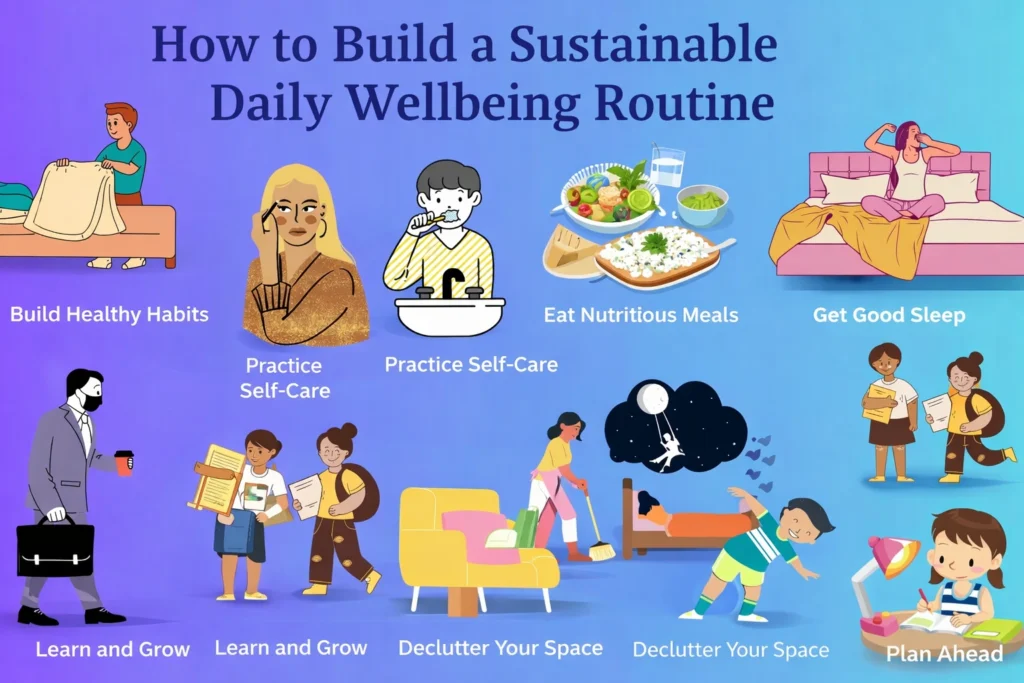
Start small. Choose one physical practice and one mental practice. Anchor them to existing habits. For example:
Morning tea → 3-minute stretch
Lunch break → brisk walk
Evening → gratitude list
Track consistency, not perfection.
The My Spark App supports this process with mood tracking, breathing guides, and daily prompts. Monitoring patterns increases accountability and self-awareness.
Avoid overloading yourself. Sustainable daily wellness routines evolve gradually.
Daily Wellbeing Checklist
Use this as a practical reference:
- Move your body intentionally
- Practise one grounding or breathing exercise
- Connect with someone meaningfully
- Reflect briefly through journaling or gratitude
- Protect sleep with a wind-down routine
If completed consistently, these steps create measurable improvement within weeks.
The Science Behind Wellbeing Exercises
Wellbeing is not vague self-care language. It is a biological regulation.
Movement increases brain-derived neurotrophic factor (BDNF), which supports cognitive performance. Mindfulness reduces amygdala reactivity, lowering stress response intensity. Emotional regulation improves heart rate variability.
In practical terms, you think clearer. You sleep deeper. You react calmer.
This is not a theory. It is physiology.
Why Spark Your Health Leads in UK Wellbeing Guidance
At Spark Your Health, we design wellbeing strategies rooted in real-world application. We understand UK work culture, commuting patterns, and lifestyle pressures.
Our approach blends evidence-based research, practical daily implementation, workplace integration, and digital support.
We focus on what works consistently, not what sounds impressive. Wellbeing exercises should feel accessible, not overwhelming.
Final Thoughts: Small Daily Actions Create Lifelong Change
You do not need dramatic transformation.
You need repetition.
Wellbeing exercises work when they become part of daily rhythm. A five-minute breathing reset. A short walk. A reflective journal entry. These small habits compound.
In 2026, mental health challenges continue to rise. Stress levels remain high across the UK workforce. The solution is proactive self-regulation, not reactive crisis management.
Start today.
Choose one exercise from this guide. Practise it consistently for seven days. Track your progress using the My Spark App. Notice the shift in clarity, calm, and confidence.
At Spark Your Health, we believe wellbeing should feel practical, empowering, and sustainable.
Your health does not need to wait.
It needs intention.
Frequently Asked Questions
Q: What are wellbeing exercises?
A: Wellbeing exercises are structured physical, mental, and emotional practices that improve overall health. They include activities such as low-impact aerobic movement, guided meditation, breathing techniques, journaling, and flexibility stretches that support both body and mind.
Q: How often should I do wellbeing exercises?
A: For best results, practise simple wellbeing exercises daily. Even 5–10 minutes of movement or mindfulness can reduce stress hormones and improve mood when done consistently.
Q: Can wellbeing exercises improve mental health?
A: Yes. Regular wellbeing exercises support serotonin production, reduce cortisol levels, and strengthen emotional resilience. Techniques like deep breathing, gratitude lists, and muscle-strengthening exercises help regulate the nervous system and improve cognitive clarity.
Q: What are the best 5-minute wellbeing exercises?
A: Effective 5-minute exercises include:
- Deep breathing techniques
- Desk-based stretches
- Short gratitude reflections
- A quick mindfulness body scan
These micro-practices are ideal for busy UK workdays.
Q: Do I need equipment to start wellbeing exercises?
A: No. Most wellbeing exercises require no equipment. Walking, grounding exercises, stretching, and journaling can be done at home, in the office, or outdoors.