
Is your team battling rising stress levels or a dip in morale? You’re not alone. Across UK organisations, blurred boundaries between home and office are driving burnout faster than many HR leaders can track — particularly within hybrid work models. Long hours, constant notifications, and limited recovery time quietly erode both energy and engagement.
Real change requires moving beyond one-off awareness days. Sustainable improvement happens when wellbeing activities for the workplace are embedded into the daily rhythm of work. When approached thoughtfully, these initiatives strengthen psychological safety, improve collaboration, and support burnout prevention at an organisational level.
In this guide, you’ll find 10 practical staff wellbeing ideas — from quick team wellbeing activities to full corporate wellbeing activities — designed to support mental, physical, and social health at work. Whether you’re looking for wellbeing activities for team meetings, remote workers, or the whole organisation, this guide covers it all.
Wellbeing Activities Are a Business Imperative (Not Just a Perk)
Employee wellbeing is no longer a “nice to have.” It is a measurable driver of performance, retention, and long-term resilience.
If you need staff wellbeing activities, workplace wellbeing ideas, or structured wellbeing activities for adults at work, the evidence is clear: organisations that invest consistently outperform those that treat wellbeing as a seasonal initiative.
Research consistently shows that organisations investing in structured wellbeing activities see lower absenteeism, improved engagement, and a stronger return on investment. The often-overlooked factor is the ROI of wellness—when employees feel supported, productivity gains and reduced turnover costs follow naturally.
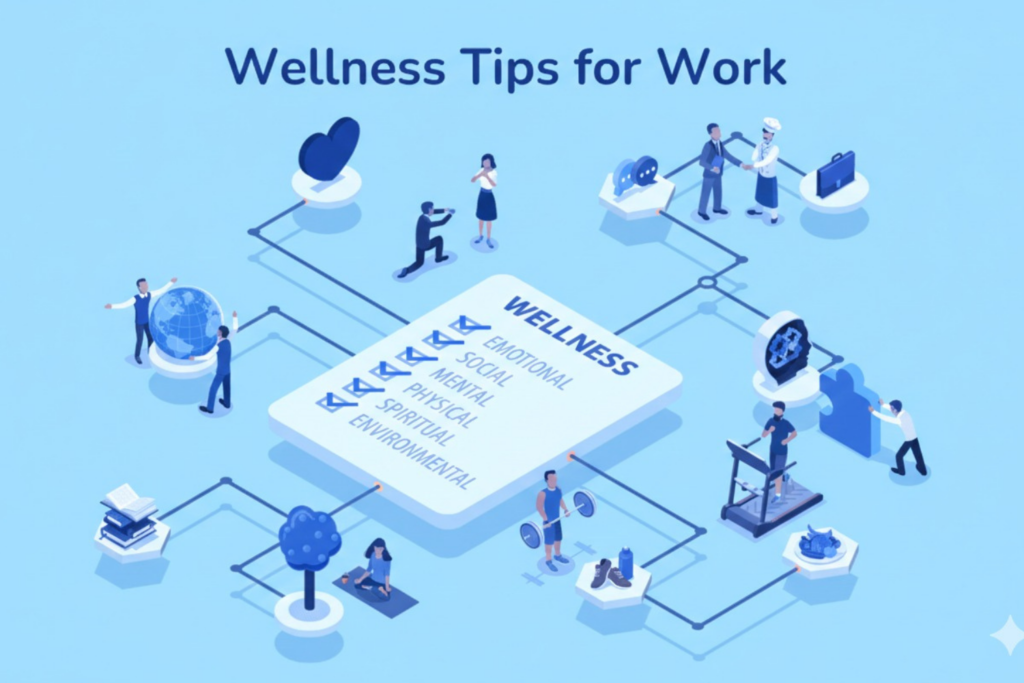
However, surface-level initiatives rarely deliver lasting results. Wellbeing is not one-dimensional. It is shaped by the interaction of physical energy, mental clarity, emotional stability, and social connection. When these elements are addressed together, employees do more than cope—they thrive.
At Spark Your Health, we believe that a Healthy Body Healthy Mind is the foundation of a happy and sustainable working life. The right well being activities turn this belief into everyday behaviour, supporting both individual health and organisational success.
10 Impactful Wellbeing Activities for the Workplace
Below are practical, evidence-informed wellbeing activities you can realistically introduce—even within busy, hybrid teams. Each activity addresses a specific need while contributing to a healthier workplace culture overall.
1. Mindful Mornings: A Simple Staff Wellbeing Idea to Start the Day Right
What it is:
Mindful mornings involve brief, guided mindfulness or breathing sessions, typically lasting around ten minutes, held at the start of the workday. These sessions help employees transition into focused work with a calmer, clearer mindset.
How to enforce:
- Schedule sessions two or three mornings per week.
- Deliver them in person or virtually to support hybrid work models.
- Keep participation optional and pressure-free.
- You can facilitate these sessions using vetted apps for anxiety that support anxiety management and improve focus.
Core benefit:
Improves concentration, supports emotional regulation, and contributes to daily mental health practices without overwhelming employees.
Mindfulness does not need to mean a long meditation session. Employees can build short moments of awareness into tasks they already perform. For practical examples, see our guide: How to Practice Mindfulness at Work .
2. Digital Detox Hours
What it is:
Digital detox hours are agreed blocks of time where internal emails and messages pause. This creates space for focused work or genuine rest without the pressure to stay constantly available.
How to implement:
- Trial one no-email lunch hour per week.
- Encourage leaders to model the behaviour consistently.
- Set clear expectations so boundaries feel respected, not restrictive.
Core benefit:
Reduces cognitive overload, supports burnout prevention, and encourages healthier digital habits across teams.
3. Gratitude Walls or Recognition Channels
What it is:
A shared space either it’s physical or digital, where employees can acknowledge and appreciate each other’s contributions. Recognition is peer-led rather than top-down.
How to implement:
- Create a physical board or online channel.
- Encourage weekly shout-outs.
- Highlight contributions during team meetings.
Core benefit:
Builds morale, reinforces psychological safety, and strengthens everyday emotional resilience.
4. Walking Meetings
What it is:
Walking meetings replace seated discussions with short walks, making conversations more relaxed and energising. They work especially well for one-to-one check-ins or creative thinking.
How to implement:
- Use for informal discussions rather than complex presentations.
- Keep routes simple and accessible.
- Encourage a comfortable, inclusive pace.
Core benefit:
Boosts energy while supporting natural movement and better work-life balance.
5. On-Demand Stretch and Mobility Breaks
What it is:
Short, guided movement or stretching sessions employees can access anytime during the day, particularly helpful between long meetings or desk-based tasks.
How to implement:
- Share five-minute videos via internal platforms.
- Encourage use during natural breaks.
- Avoid adding them as mandatory calendar events.
Core benefit:
Improves posture, reduces physical tension, and supports workplace fitness strategies that are easy to maintain.
6. Ergonomic Mini Clinics
What it is:
Quick workstation assessments—virtual or in person, that identify small, realistic adjustments to improve comfort and reduce strain.
How to implement:
- Offer brief assessments rather than lengthy evaluations.
- Share simple setup guides employees can follow independently.
- Focus on prevention, not perfection.
Core benefit:
Improves physical comfort, reduces injury risk, and reinforces the mind-body connection at work.
7. Skill-Sharing Lunches
What it is:
Informal sessions where employees share non-work skills or interests, such as photography, budgeting tips, or creative hobbies.
How to implement:
- Keep sessions optional and informal.
- Rotate presenters monthly.
- Encourage curiosity rather than expertise.
Core benefit:
Strengthens social connection, builds confidence, and breaks down departmental silos.
8. Volunteer or Community Days
What it is:
Company-supported time for volunteering with local charities or community projects, aligned with organisational values.
How to implement:
- Partner with trusted local organisations.
- Offer paid volunteer hours.
- Share impact stories internally to reinforce purpose.
Core benefit:
Builds meaning at work, strengthens team identity, and improves overall engagement.
9. Inclusive Social Events
What it is:
Social activities designed to include everyone, without relying on alcohol or loud environments.
How to implement:
- Offer varied options such as game nights, wellness workshops, or creative sessions.
- Survey employees for preferences.
- Rotate formats regularly.
Core benefit:
Creates belonging while supporting healthier stress management techniques.
10. App-Based Wellbeing Challenges
What it is:
A digital, scalable approach to sustaining engagement through challenges such as step counts, mindfulness streaks, or hydration goals.
How to implement:
- Set achievable, inclusive goals.
- Share weekly progress updates.
- Keep challenges supportive rather than competitive.
Spotlight: My Spark App
For teams seeking structure and consistency, the My Spark App brings guided challenges, expert resources, and progress tracking into one easy-to-use platform—helping organisations unify multiple wellbeing activities under one cohesive strategy.
Core benefit:
Encourages long-term participation and supports wellbeing across distributed teams.
Not sure where to start? Our wellbeing specialists can help you design a strategy suited to your workforce.
Wellbeing Ideas for Working From Home and Hybrid Teams
As hybrid working becomes the norm, organisations need wellbeing ideas for working from home that are just as effective as in-person initiatives. The challenge is maintaining connection, routine, and energy when employees are dispersed.
Practical approaches include:
- Virtual wellbeing check-ins — brief weekly calls focused on how people feel, not just what they’ve completed
- Home workspace support — offering guidance or budgets for ergonomic setups that reduce physical strain
- Digital wellbeing challenges — app-based step counts, mindfulness streaks, or hydration goals that remote staff can join from anywhere
- Flexible movement breaks — encouraging employees to step away from their screens at set times, without needing to be in the office to participate
These well being activities for adults working from home are easy to implement and signal genuine care for employees beyond the office walls.
How to Successfully Launch Wellbeing Activities at Work
Even the strongest initiatives fall flat without thoughtful execution. Experienced wellbeing leaders focus on the following principles:
Securing leadership buy-in is essential, as visible participation from leaders signals permission for employees to engage. From there, it’s most effective to start small by piloting one wellbeing activity before expanding, allowing early successes to build confidence and momentum. Listening to employee feedback through short surveys or informal check-ins helps refine the approach over time.
Finally, empowering wellbeing champions trusted peer advocates—supports wider participation and strengthens trust across teams.
For organisations seeking to scale impact, structured corporate wellness programs offer the framework, responsibility, and expert guidance needed for long-term success.
FAQs
What are wellbeing activities for the workplace?
Wellbeing activities for the workplace are structured initiatives that support employees’ mental, physical, emotional, and social health. Common examples include mindfulness sessions, movement breaks, digital detox hours, team wellbeing activities, and app-based challenges — all designed to promote balance, resilience, and engagement at work.
Why are staff wellbeing ideas important for UK employers?
Investing in staff wellbeing ideas reduces absenteeism, prevents burnout, and improves overall job satisfaction. When employees feel genuinely supported, they are more engaged, productive, and likely to stay with the organisation long term — making wellbeing a smart business decision, not just a HR box to tick.
How can companies start with workplace wellbeing activities?
The most effective approach is to start small. Pilot one or two wellbeing activities for the workplace, gather employee feedback, and build gradually. Leadership involvement and clear communication are essential to long-term success. Even simple staff wellbeing ideas like walking meetings or recognition channels can make a meaningful difference early on.
What are the best wellbeing activities for team meetings?
Wellbeing activities for team meetings work best when they are brief and inclusive. Options include a two-minute breathing exercise at the start, a quick gratitude round, or a short check-in question such as “What’s one thing going well this week?” These small practices build psychological safety and strengthen team connection over time.
Are wellbeing activities effective for remote or hybrid teams?
Yes. Many wellbeing activities — including mindfulness sessions, step challenges, and digital check-ins — can be delivered remotely. Wellbeing ideas for working from home are especially important for hybrid teams, where isolation and digital fatigue are common challenges. App-based solutions make it easier to support distributed teams consistently.
What are corporate wellbeing activities and how do they differ from one-off events?
Corporate wellbeing activities are ongoing, structured programmes embedded into the working culture — rather than isolated awareness days or annual events. One-off events raise awareness briefly, but consistent wellbeing team building activities and daily practices create lasting behavioural change and a genuinely supportive workplace culture.
What physical wellbeing activities work well in the workplace?
Physical wellbeing activities that work well at work include on-demand stretch and mobility breaks, walking meetings, ergonomic clinics, and step-count challenges. These require minimal disruption to the working day but have a measurable impact on energy, posture, and long-term physical health.
Ready to transform your place of work?
Explore our suitable well being solutions and professional-led tools designed to support more healthy, happier teams. Let’s build a programme that fits your people—and your purpose.