

Can you get PIP for ADHD adult in the UK?
Yes. Adults with Attention Deficit Hyperactivity Disorder (ADHD) can receive Personal Independence Payment (PIP) if their condition significantly affects their daily living or mobility — even if they work, study, or appear “high functioning” to others.
In fact, government data shows that over 53,000 people had ADHD listed as their main disabling condition for PIP in 2023, and that number continues to rise as adult ADHD diagnosis improves across the UK. The key factor is not the diagnosis alone, but how ADHD impacts your everyday life.
This guide explains exactly how PIP works for adults with ADHD, what assessors look for, how to strengthen your claim, and what support exists beyond benefits — all in plain, human language.
What Is PIP (And What It Is Not)?
Before we go further, it’s important to clear up a common source of confusion.
PIP stands for Personal Independence Payment, a UK disability benefit designed to help cover the extra costs of living with a long-term health condition or disability.
It is not a Performance Improvement Plan (PIP) at work, a warning from your employer, or a sign that you are being fired.
This distinction matters because many adults with ADHD searching for information on PIP may already feel anxious about their employment or finances. Understanding what PIP actually is, and what it isn’t, removes unnecessary worry and brings much-needed clarity at the start of your claim process.
Can You Get PIP for ADHD Adult Under UK Law?
Yes — ADHD is recognised in the UK as a long-term neurodevelopmental condition under disability legislation. To qualify for PIP, your ADHD must have lasted, or be expected to last, at least 12 months.
More importantly, it must affect your ability to carry out daily activities in a way that is safe, reliable, repeatable, and can be completed within a reasonable time. This can include challenges with planning, organising, managing tasks, coping with social interactions, or handling daily responsibilities like cooking, managing finances, or taking medication.
It’s important to note that PIP is not means-tested. This means that whether you are working, studying, or living independently, you can still qualify. Unfortunately, many adults with ADHD are discouraged from applying because they are employed, appear high-functioning, or assume that ADHD is “not serious enough.” In reality, PIP eligibility is based on functional impact — not your career success, income, or outward appearance. Understanding this can help you approach your claim with confidence and clarity.
How PIP Is Assessed for Adults with ADHD
PIP assessments do not focus on labels. They focus on functional impact.
Assessors score you across two components:
Daily Living Component
The daily living component evaluates how ADHD affects everyday tasks, such as preparing meals, managing medication, handling money, engaging with other people, making decisions, and planning or organising daily routines.
Mobility Component
The mobility component, on the other hand, considers how well you can plan and follow journeys, including coping with changes or unfamiliar routes.
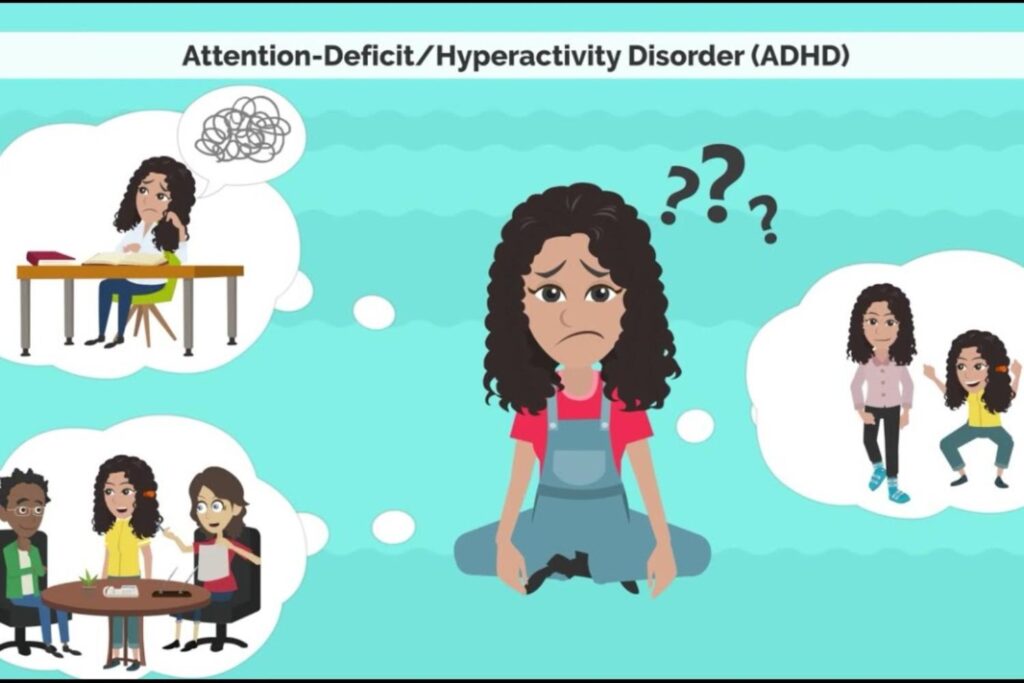
ADHD can impact both areas, particularly when executive dysfunction, impulsivity, emotional dysregulation, or anxiety are present, making certain daily and mobility tasks more challenging than they may appear to others.
Why Adult ADHD Is Often Underestimated in PIP Claims
Many adults struggle to have their ADHD recognised because the symptoms are often invisible. You might appear articulate in short conversations, mask difficulties out of habit, or minimise your challenges due to shame or past invalidation.
However, PIP assessments are not based on your best day, they focus on your typical, repeatable experiences. Difficulty remembering appointments, managing finances, regulating emotions, or coping with social interactions all matter, especially when these challenges occur most days. Accurately communicating these impacts is key to a successful claim.
Evidence That Strengthens an ADHD PIP Claim
Medical evidence helps, but it is not limited to diagnosis letters.
Strong supporting evidence may include:
- GP or psychiatrist letters
- ADHD assessment reports
- Medication records
- Therapy or coaching notes
- Occupational health reports
When discussing evidence, it’s helpful to understand how assessments are written and interpreted.
This is where using an occupational health assessment as evidence for your claim becomes particularly valuable. Reports from occupational health professionals can translate your lived experience with ADHD into clear functional limitations that PIP assessors can recognise.
For guidance on how to approach this, see our post “What Not to Say to Occupational Health”, which explains how providing the right information can strengthen your claim and avoid common pitfalls during the assessment process.

How ADHD, Anxiety, and Stress Interact in PIP Assessments
ADHD rarely exists in isolation. Many adults also experience chronic anxiety, emotional overwhelm, or stress-related fatigue, which can intensify the challenges of daily living.
These overlaps are important because PIP assessors award points based on how multiple conditions interact, not just for a single diagnosis. Demonstrating the combined impact of ADHD with anxiety or stress can significantly strengthen a claim by showing the real-world difficulties experienced day to day.
ADHD often co-occurs with other conditions such as PTSD, which can further affect daily living. Learn more about how post-traumatic stress qualifies as a disability.
For example, daily living support may include strategies such as Managing daily ADHD symptoms with anxiety-focused mental health apps, which highlights how digital tools compensate for functional difficulties rather than eliminate them.
Similarly, if engaging with people face-to-face causes distress or avoidance, understanding how social anxiety symptoms can impact your PIP daily living score can clarify why these experiences are relevant to your claim.
Who Can Help You Apply for PIP With ADHD?
The PIP process can feel overwhelming — especially with ADHD.
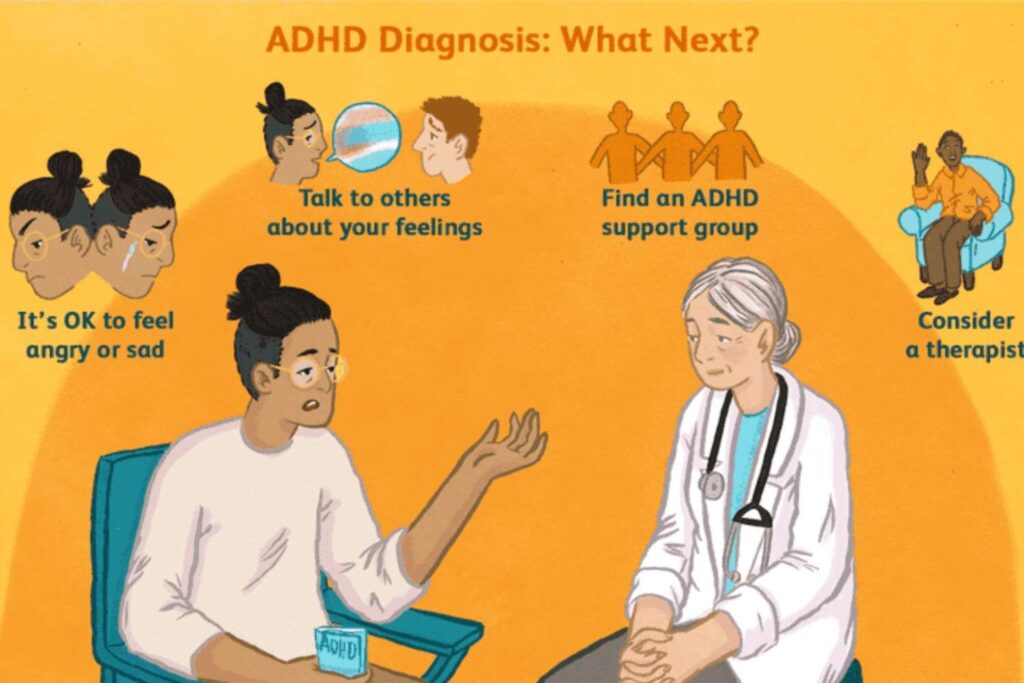
Support can make a measurable difference. Many adults benefit from seeking help from a mental health social worker to navigate benefit forms, particularly when executive function challenges make paperwork difficult.
You are not expected to manage this alone.
Step-by-Step: How to Apply for PIP With ADHD
Here’s a clear overview of the process:
- Start your PIP claim by contacting the DWP
- Complete the “How Your Disability Affects You” form honestly and in detail
- Submit supporting evidence
- Attend an assessment (phone, video, or in person)
- Receive a decision and request mandatory reconsideration if needed
Many claims are initially rejected and later awarded on appeal. This does not mean you are not eligible — it often means the impact was not clearly explained.
Working While Claiming PIP for ADHD
This is one of the most misunderstood areas.
You can work and receive PIP.
PIP exists to support daily living, not to replace income. Even with reasonable workplace adjustments, ADHD can still create extra costs at home and in daily life. Many workplaces now offer corporate wellness programs to support employees’ mental health and overall wellbeing, which can complement the support provided by PIP.
It’s also important to understand your employer’s duty of care alongside your personal disability benefits. Workplace support and state support serve different roles and one does not cancel out the other.
For employed adults, the strongest overall support comes from Combining PIP with the Access to Work scheme for total support, where PIP covers life costs and Access to Work supports job-related needs.
What Assessors Look for (And What They Often Miss)
When assessing PIP claims for ADHD, assessors focus on consistency, real-world examples, and the impact of symptoms over time. However, they often miss important aspects of living with ADHD, such as masking behaviours, burnout, struggles with emotional regulation, and the effort required just to appear “functional” in daily life.
It is crucial to be specific when describing your experiences, focusing on the real consequences of your condition rather than only how you cope.
Why ADHD Severity Is Not About Intelligence or Success
High intelligence or apparent success does not negate disability. Many adults with ADHD achieve academically, build careers, and maintain relationships, yet these accomplishments often come at a cost, including exhaustion, anxiety, burnout, or reliance on informal support.
PIP exists because managing to cope does not mean you do not need support; the benefit recognises the extra effort and challenges involved in everyday life.
Statistics That Matter for Adult ADHD and PIP
Understanding the scale of recognition can be reassuring for adults considering a PIP claim.
ADHD is now one of the fastest-growing conditions listed in PIP applications, reflecting increased awareness of adult ADHD across the UK.
Tens of thousands of adults already receive PIP primarily for ADHD, and award rates rise significantly when the functional impact of the condition is clearly documented.
These trends demonstrate a growing understanding of ADHD’s real-world challenges, rather than any lowering of assessment standards.
Common Reasons ADHD PIP Claims Are Rejected
Rejections often happen because:
- Forms focus on diagnosis instead of impact
- Symptoms are underplayed
- Evidence lacks functional detail
None of these mean your claim is invalid.
They mean it needs clarification.
Final Thoughts
Yes — you absolutely can get PIP for ADHD adult if your condition affects how you live, function, and cope day to day.
ADHD is recognised.
Your experiences are valid.
Support exists — both financial and practical.
Understanding the system, explaining your reality clearly, and accessing the right support can change outcomes significantly.
If you’ve ever wondered if you can get PIP for an adult, the answer is not just “yes” — it’s that you deserve to be heard, assessed fairly, and supported properly.
Frequently Asked Questions
1. Can adults with ADHD claim PIP if they are employed?
Yes. PIP is not means-tested, so you can work and still qualify if ADHD affects your daily living or mobility.
2. What evidence is needed to support a PIP claim for ADHD?
Evidence can include GP or psychiatrist letters, ADHD assessment reports, therapy notes, medication records, and occupational health assessments.
3. How does ADHD affect the PIP daily living component?
ADHD can impact tasks like cooking, managing medication, handling money, making decisions, planning, and engaging with others.
4. Does high intelligence or career success affect eligibility?
No. PIP assesses functional impact, not intelligence or achievements. Even high-functioning adults may require support.
5. Can PIP be claimed alongside other mental health conditions?
Yes. PIP points consider how multiple conditions, such as ADHD and anxiety or PTSD, interact and affect daily life.
6. What is the difference between PIP and a workplace PIP?
Personal Independence Payment (PIP) is a UK disability benefit. It is different from a Performance Improvement Plan at work and has nothing to do with employment warnings.
7. How long does the PIP application process take?
Initial decisions usually take a few weeks after submission and assessment, but claims may take longer if a mandatory reconsideration or appeal is needed.