
Living with post-traumatic stress can affect every part of life — from mental wellbeing to employment and financial stability. Many people ask the same critical question: is post traumatic stress a disability in the UK?
The short answer is yes, it can be. However, the full answer depends on how the condition affects your daily life, work, and long-term functioning. UK law recognises mental health conditions, including Post-Traumatic Stress Disorder (PTSD), as potential disabilities when specific criteria are met.
This guide explains everything you need to know — clearly, compassionately, and accurately — so you can understand your rights, benefits, and workplace protections in the UK.
What Is Post-Traumatic Stress Disorder (PTSD)?
Post-Traumatic Stress Disorder is a mental health condition that may develop after experiencing or witnessing a traumatic event. This could include accidents, abuse, violence, military combat, natural disasters, or serious medical trauma.
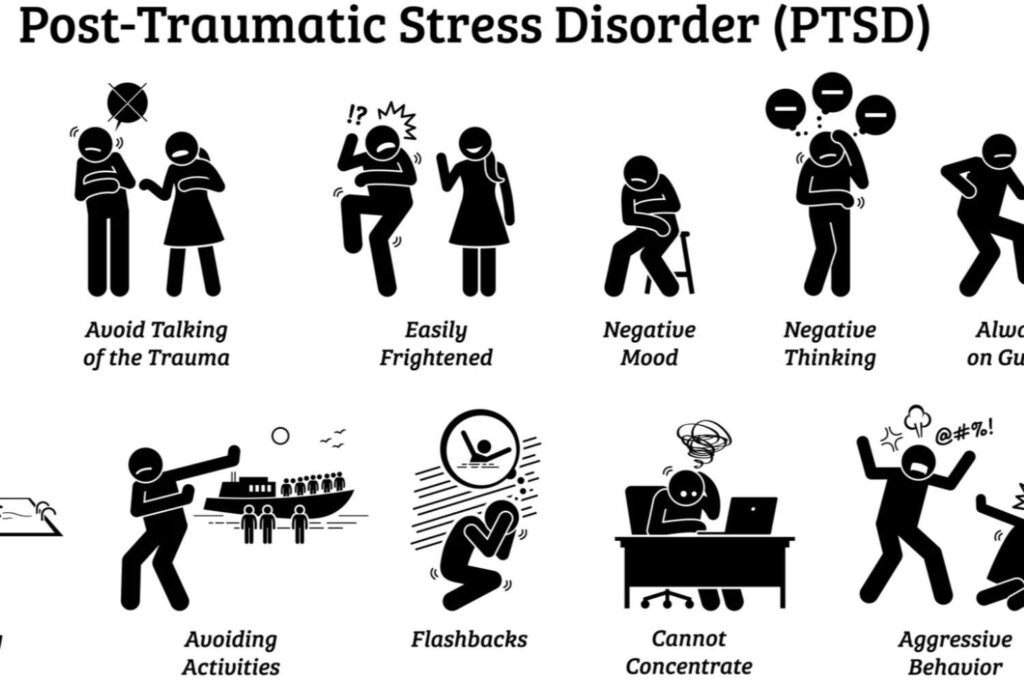
Common symptoms include:
- Flashbacks or intrusive memories
- Severe anxiety or panic attacks
- Emotional numbness or detachment
- Sleep disturbances and nightmares
- Difficulty concentrating or working
For many people, PTSD is not temporary. It can last months or years and significantly interfere with everyday life.
Is Post Traumatic Stress a Disability Under UK Law?
Is post traumatic stress a disability? Under UK law, it can be, provided it meets the legal definition of disability.
The Equality Act 2010 Explained
The Equality Act 2010 protects individuals with physical and mental impairments. PTSD may qualify as a disability if it:
- Has a substantial impact on daily activities
- Is long-term (lasting or expected to last 12 months or more)
PTSD does not need to be permanent. The law focuses on how much it affects your ability to function, not the label of the condition itself.
This means PTSD is treated the same way as physical disabilities when it comes to legal protection.
How PTSD Is Recognised as a Mental Health Disability
Medical evidence plays an important role. A diagnosis from the NHS, GP, or mental health specialist strengthens your case, especially when accessing benefits or workplace adjustments.
However, even without a formal diagnosis, you may still be protected if symptoms clearly impact your work or daily life.
This reinforces that is post traumatic stress a disability is not a simple yes-or-no question — it depends on lived experience and functional impact.
Your Workplace Rights If You Have PTSD
Protection From Discrimination
If PTSD qualifies as a disability, employers must not discriminate against you. This includes:
- Recruitment decisions
- Promotion opportunities
- Pay or training access
- Workplace treatment
Employers are legally required to act fairly and reasonably.
Reasonable Adjustments at Work
UK employers must provide reasonable adjustments when they know an employee has PTSD.
These may include flexible working hours, remote or hybrid working, adjusted workloads, quiet workspaces, and time off for therapy or medical appointments.
For example, an employee with PTSD triggered by a past accident may struggle in open-plan offices due to noise and constant movement. In such cases, providing a quieter workspace or flexible working arrangement can make a significant difference to their ability to work effectively.
These adjustments are designed to support recovery while maintaining fair performance expectations.
Occupational Health Reports
In 2026, many UK employers increasingly rely on Occupational Health (OH) reports to understand how PTSD affects work. If you’re experiencing difficulties, you can request an OH assessment through your HR department. This provides documented evidence of your needs and helps support requests for reasonable adjustments.
If you’re unsure what to say or how to prepare, check out our guide What Not to Say to Occupational Health UK for practical tips on making the most of your assessment.
Access to Work Scheme
The UK government also offers the Access to Work scheme, which can fund practical support to help people stay in their jobs. This may include mental health coaching, specialist equipment, or workplace adaptations tailored to your needs.
Using these resources alongside reasonable adjustments can make a real difference in managing work while protecting your wellbeing.
Can You Be Dismissed for PTSD?
This is a sensitive but important issue. Terminating an employee with mental health issues UK laws are very clear: dismissal must be fair, justified, and handled carefully.
An employer cannot lawfully dismiss someone simply because they have PTSD.
Before considering dismissal, they are required to explore reasonable adjustments that could support the employee at work, follow fair and transparent capability procedures, and seek appropriate medical or occupational health input where necessary.
When employers fail to take these steps or ignore their legal duties under mental health protections, unfair dismissal claims often succeed.
Time Off Work and Stress-Related Absence
PTSD can make regular work impossible during difficult periods. Many people wonder about the maximum time off for stress UK allows.
There is no fixed legal limit. Time off depends on:
- Medical advice
- Employer sick leave policy
- Statutory Sick Pay (SSP) rules
Long-term absence should be managed through occupational health support, not pressure or punishment.

Benefits Available for PTSD in the UK
If PTSD limits your ability to work or live independently, financial support may be available.
Personal Independence Payment (PIP)
PIP is not based on diagnosis. It focuses on how PTSD affects:
- Daily living tasks
- Mobility
- Communication and concentration
Many people with PTSD qualify when symptoms are severe and ongoing.
Employment and Support Allowance (ESA)
ESA supports individuals who cannot work due to illness or disability. PTSD may qualify if medical evidence confirms work limitations.
Universal Credit and Additional Support
Universal Credit may include extra elements for limited capability for work due to mental health conditions.
PTSD, Employers, and Corporate Responsibility
Modern employers increasingly recognise the importance of mental wellbeing in the workplace. Many organisations now invest in corporate wellness programs to better support employees living with PTSD and other mental health challenges.
These programmes often include mental health training for managers, access to professional counselling services, stress management resources, and employee assistance programmes (EAPs). Such initiatives help create safer, more understanding work environments.
Workplaces that prioritise employee wellbeing frequently experience higher productivity, stronger trust between staff and management, and improved long-term retention.
Why Understanding PTSD as a Disability Matters
Recognising PTSD as a disability plays a vital role in reducing stigma and encouraging individuals to seek help early, rather than suffering in silence.
It also helps protect legal rights, ensures fair treatment at work, and promotes more inclusive and supportive workplaces. Most importantly, this understanding fosters compassion instead of judgement, allowing people with PTSD to feel seen, respected, and supported.
PTSD in the UK: Key Statistics and Trends
PTSD is not a rare or marginal condition in the UK. Recent national data shows rising prevalence across the general population, frontline professions, and younger age groups — reinforcing why PTSD must be recognised, protected, and supported as a serious mental health disability.
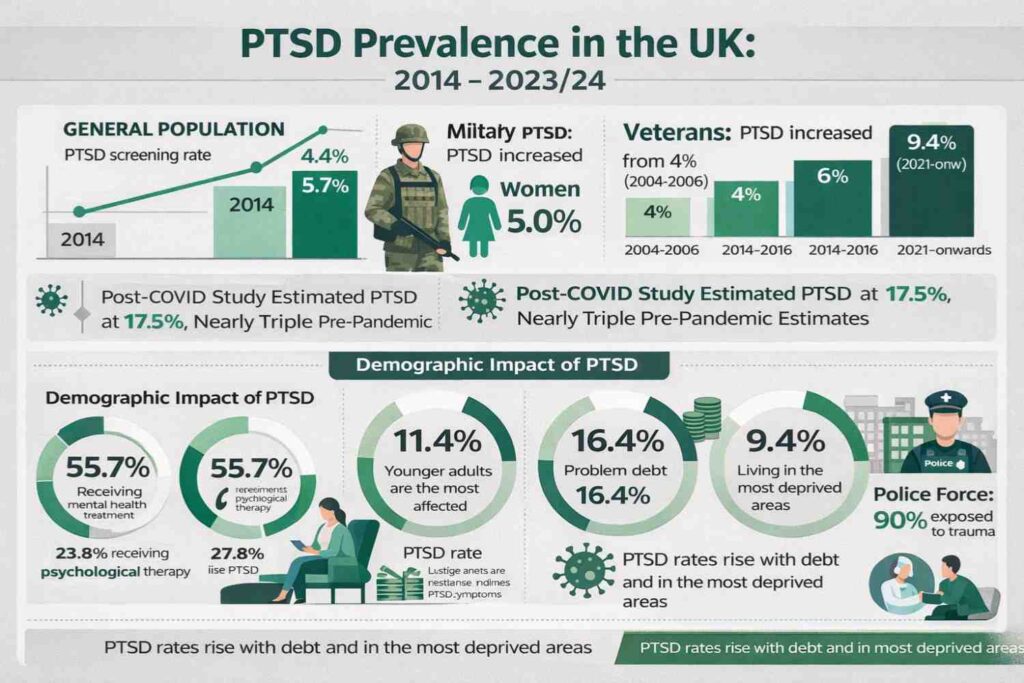
These figures highlight why UK law, employers, and healthcare systems increasingly recognise PTSD as a long-term condition requiring legal protection, workplace adjustments, and access to treatment.
This article is based on current UK employment law guidance and widely used workplace mental health frameworks.
Final Thoughts
So, is post traumatic stress a disability in the UK? In many cases, yes — and the law is designed to protect you.
PTSD is real, serious, and deserving of understanding. With the right knowledge, support, and workplace adjustments, individuals can protect their rights and focus on healing.
Frequently Asked Questions (FAQs)
Q:1 Is PTSD automatically classed as a disability in the UK?
A: No. PTSD can be considered a disability if it has a substantial and long-term impact on daily life.
Q:2 Do I need a diagnosis for legal protection?
A: A diagnosis helps but is not always required. Functional impact matters most.
Q:3 Can I claim benefits for PTSD?
A: Yes. PIP, ESA, and Universal Credit may be available depending on severity.
Q:4 Can my employer refuse reasonable adjustments?
A: Only if adjustments are genuinely unreasonable. Most changes are low-cost and legally expected.
Q:5 Is PTSD protected under the Equality Act 2010?
A: Yes, when it meets the legal definition of disability.
At Spark Your Health, we believe mental wellbeing deserves clarity, compassion, and evidence-based guidance.
Explore more expert-led mental health resources to support your journey — because your health always comes first.